Transforming Toxicology
Transforming Toxicology

Reveal critical biological connections with our multi-omics solutions
To really understand toxicity pathways, you must be able to see the big picture. That’s why Agilent has partnered with a global network of top-notch collaborators to transform toxicology. The result: An integrated approach we call systems toxicology.
Systems toxicology can give you deeper insights. In fact, we believe it is the only way to truly understand the biology underlying exposure to harmful chemicals—or the side effects from drugs.
Agilent systems toxicology solutions include the most powerful tools available today. Tools that accurately measure systems-wide molecular changes after exposure to chemicals and drugs. Tools that allow you to determine causal links between exposure and adverse outcomes, including disease.
And now, with Agilent cell analysis solutions for toxicology research, you can incorporate cell metabolism measures into your omics results.
For Research Use Only. Not for use in diagnostic procedures.
Genomics and transcriptomics
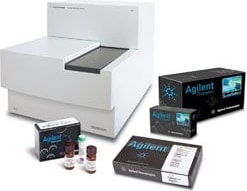
Elucidate action mechanisms, identify new drug targets, and discover valid biomarkers
Genomics lets you see the sequence, structure, and function of an organism’s DNA. Transcriptomics captures gene expression-level changes in response to chemical exposures.
Agilent genomics can supply you with microarrays for gene expression and regulation, copy number variations, and single-nucleotide polymorphisms. We also provide tools to streamline DNA sequencing.


Proteomics

Study the proteins in a biological sample and identify correlations with disorders
Whether you’re searching for biomarkers or quantifying proteins to map cell signaling pathways, Agilent proteomics can help you advance your research. We are a leading provider of LC and MS systems, software, and consumables for identifying, characterizing, and quantifying proteins.

Metabolomics

Map pathways, predict toxicity, and pinpoint potential new drugs or therapeutic targets
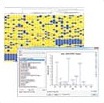
Metabolites are the downstream products of gene expression, and the end products of a toxic insult. These amino acids, lipids, organic acids, and sugars reflect biochemical end products that are closest to the phenotype.
By combining Agilent GC/MS and LC/MS systems and software with our unmatched metabolite libraries, you can achieve better, faster results.
Data analysis and interpretation
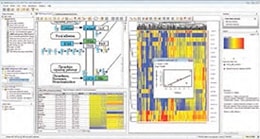
Analyze, compare, and view results in a single user interface
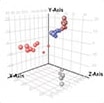
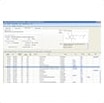
The Agilent GeneSpring analysis platform addresses the challenges of multi-omic data analysis. It provides comprehensive analytical and visualization tools for multiple data types.
With GeneSpring, data about gene expression, miRNA, exon splicing, genomic copy number, genotyping, proteins, and metabolites can be combined into one project. So you can see the links between data sets, identify concordance, and understand disease mechanisms.
Cell analysis
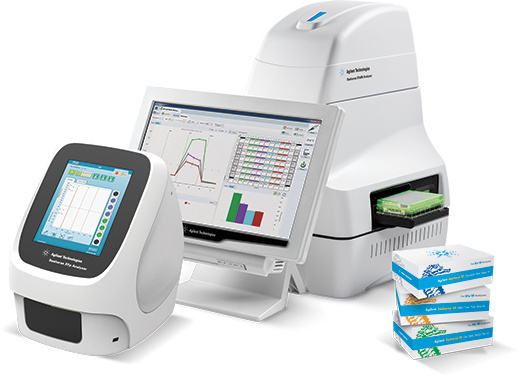
Assess mitochondrial and metabolic toxicity in minutes
The optimal paradigm for any drug discovery process includes demonstrating safety using cellular models. Traditional approaches represent only an acute study of toxicity. Therefore, researchers are expanding their focus to include functional metabolism to predict toxicity before in vivo studies. Toxicologists are using Agilent cell analysis technology to measure the effects of chemical exposure on cells or model organisms.