Instrument Intelligence Fundamentals

For chromatography and mass spectrometry

Instrument readiness provides peak instrument performance when you need it

Instrument readiness in a mass spectrometry lab is crucial for ensuring accurate and reliable results. It involves a series of checks to confirm that all components, including the chromatograph, mass spectrometer, and data systems, are functioning optimally.
HPLC Instrument readiness

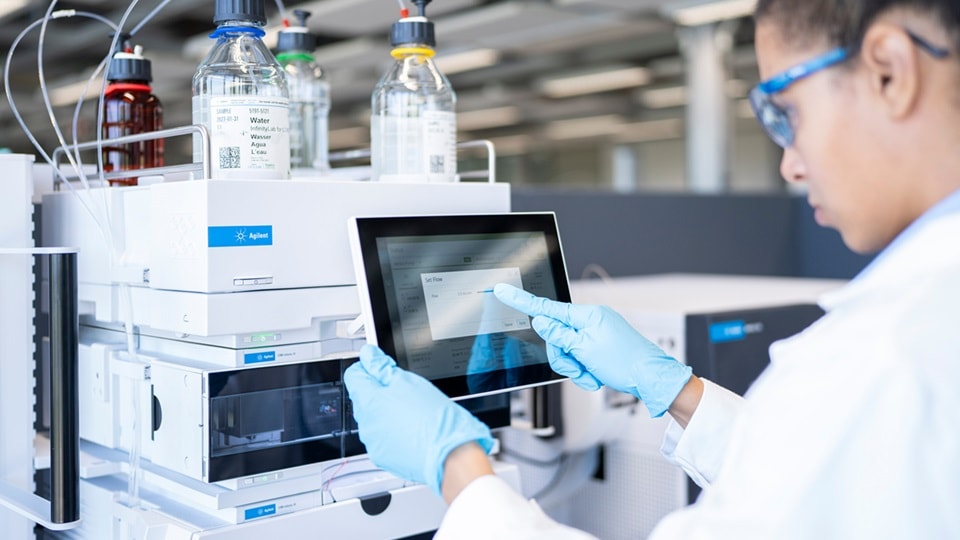
HPLC instrument readiness is supported by instrument intelligence innovations that have the system ready when you arrive in the laboratory to start your day.
HPLC instrument readiness

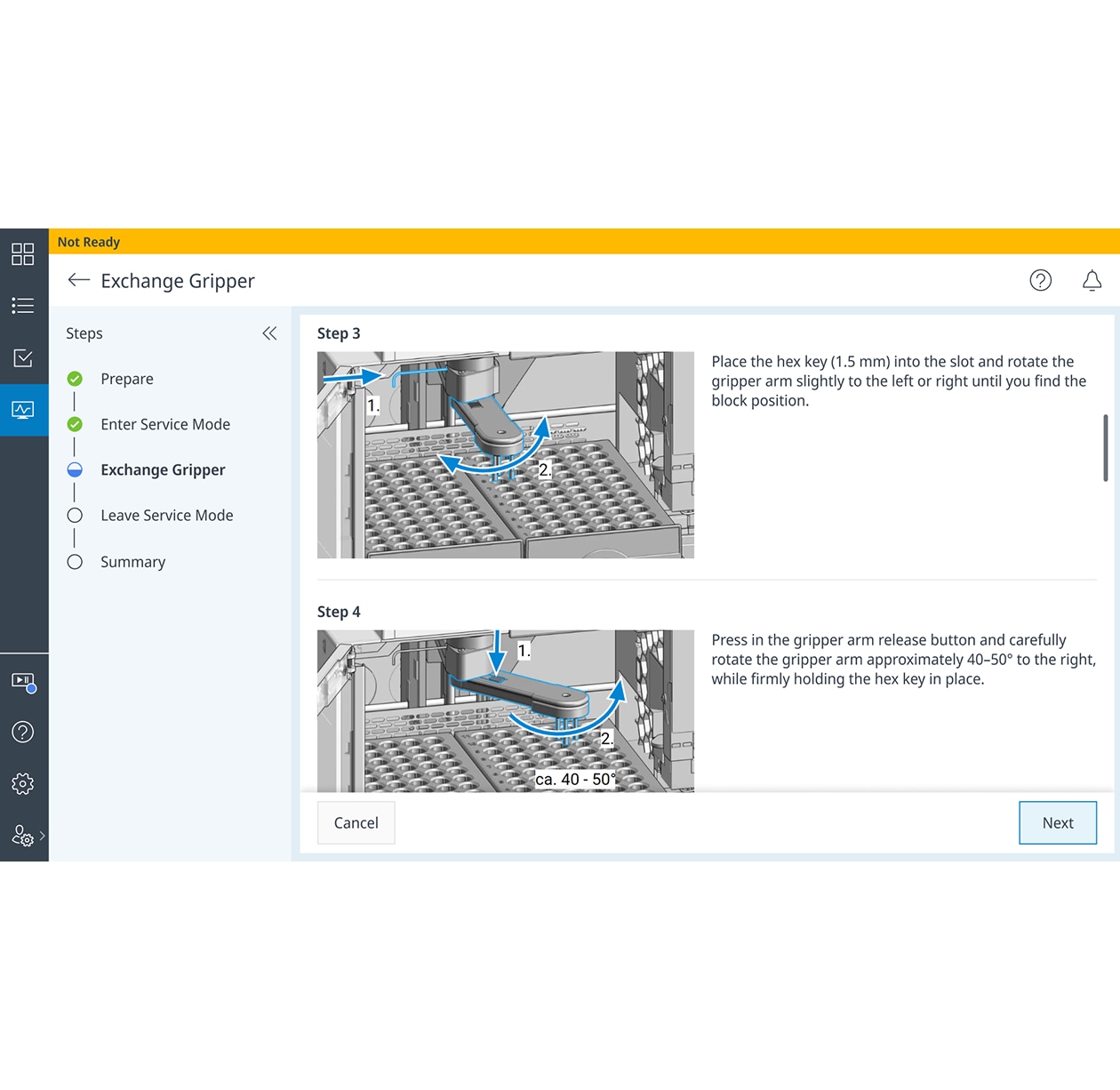
Assessing HPLC instrument readiness begins with the InfinityLab Assist, a tablet-style user interface to each LC that brings important controls and diagnostics to the user’s fingertips right at the instrument. It is like giving the system a brain that can significantly enhance lab efficiency through features that include status monitoring and module-specific notifications, as well as assisted and integrated maintenance guides. An example shown here displays instructions shown on-screen at the instrument, guiding the user to change the vial gripper in the autosampler. The result of incorporating HPLC intelligence is the ability to enter the laboratory and immediately run HPLC methods.

Read more

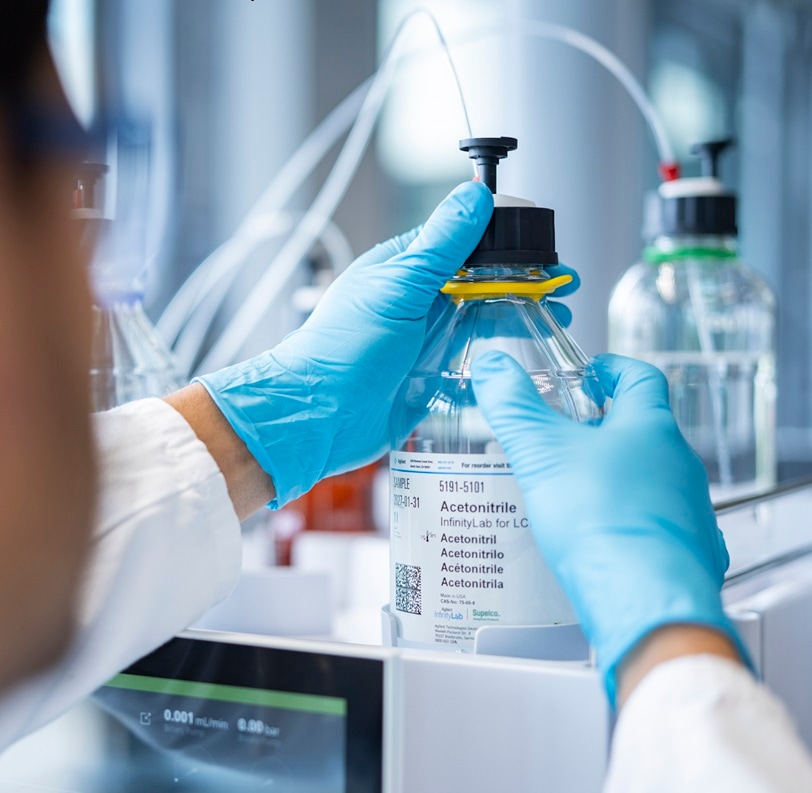
Solvent level sensing for HPLC bottles

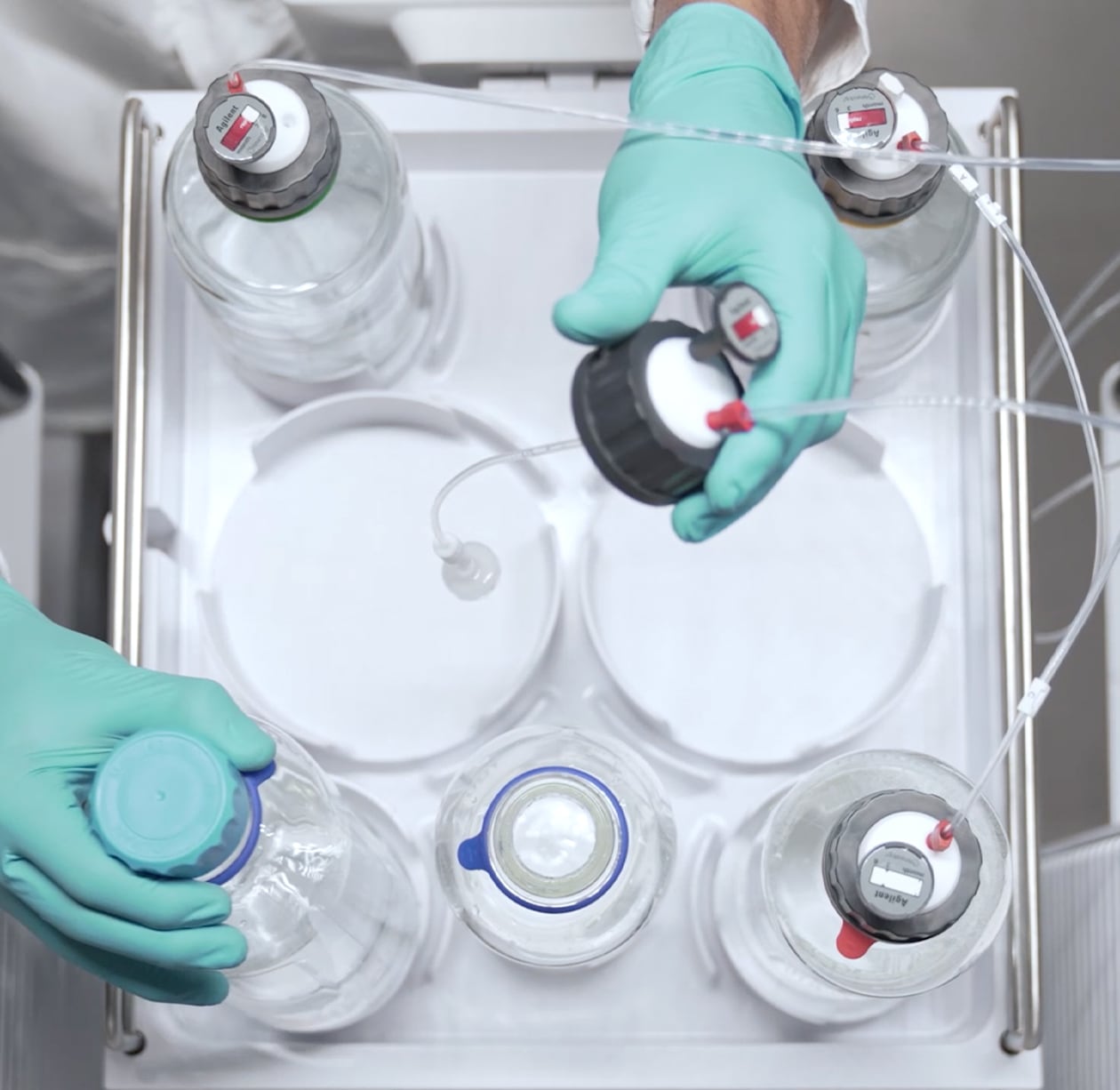
Automated solvent level monitoring uses weight-based measurements to monitor solvent levels accurately, preventing the system from running dry and avoiding costly re-analyses or instrument damage. The technology is fully integrated with OpenLab CDS software, which allows users to predict solvent consumption and receive warnings before starting a sequence. This integration ensures seamless operation and helps maintain continuous workflows. The system can securely hold multiple solvent bottles (four 1-liter and two 2.5-liter bottles), providing flexibility and convenience in managing different solvents.

Watch video

Intelligent automated purge

Programmable automated purge helps maximize HPLC instrument efficiency and minimize solvent consumption. The automated purge feature uses the sampling device to overcome the need for manual user intervention. Different mobile phase channels can be purged in prioritized order. When automated purge is active, the system determines the purge duration and purge flow rate, and evaluates the success of purging the lines. Equilibration is determined through analyzing these signals so that the system can automatically complete the task. On completion, the system restores the eluent composition up to the needle tip prior to returning to the column and being ready to inject the next sample.

Sample tracking

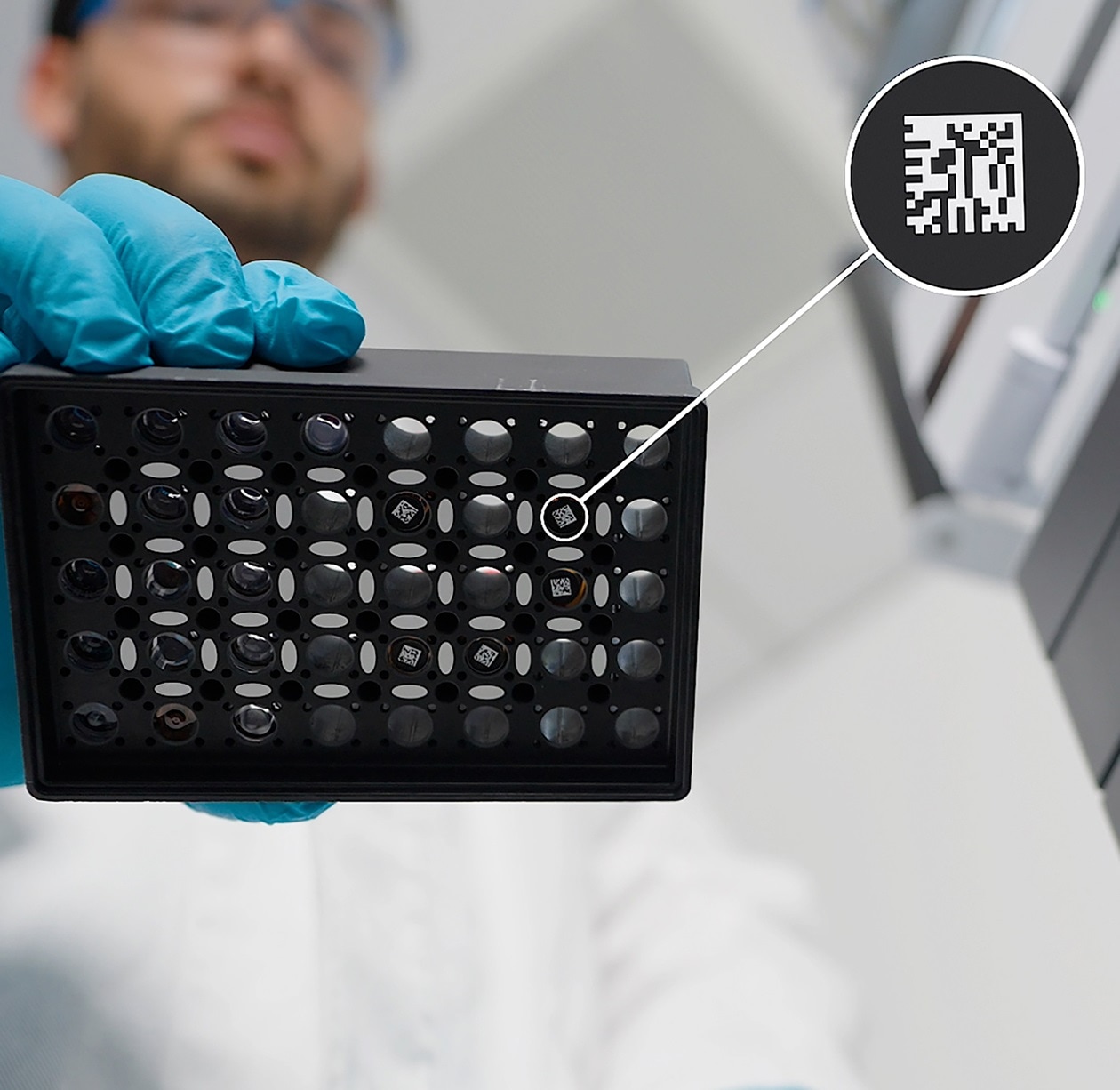
Keeping track of your samples is paramount. Systems equipped with OpenLab CDS can take advantage of advanced sample linking - a comprehensive workflow solution that streamlines laboratory processes through barcode technology. Automating the physical identification and digital confirmation of samples enhances data integrity and quality, while minimizing the risk of human error.

Learn more about sample position confirmation and identification

Intelligent task management

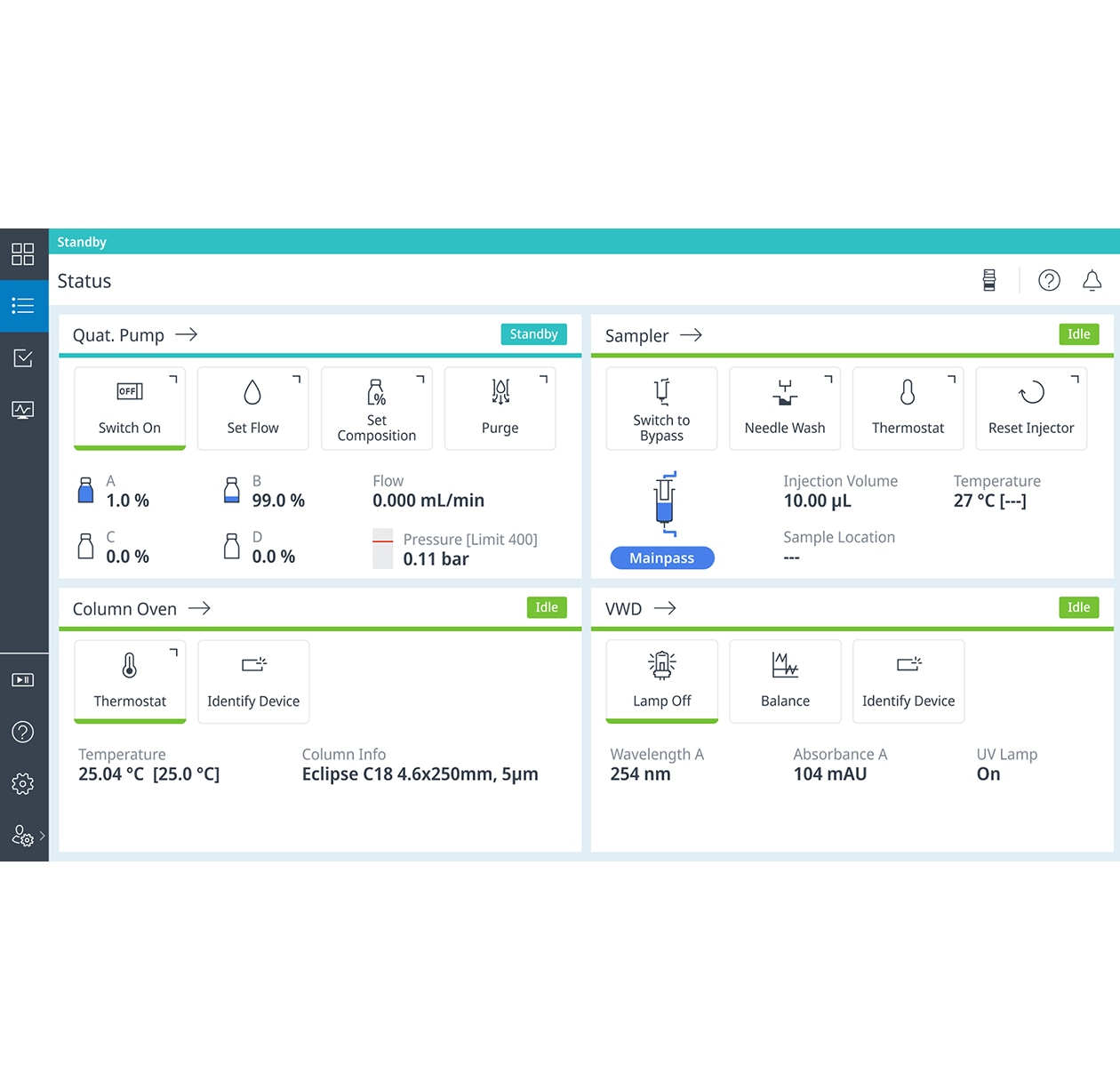
Intelligent task management is facilitated through the InfinityLab Assist home screen with configurable display tiles that visualize data from each module in the UHPLC system. Daily tasks and repetitive steps are scheduled and automated, allowing the system to be prepared in advance, put in standby, or shut down as needed.

Each module’s status is displayed through its own customizable tile, featuring widgets for system pressure, eluent flow, solvent composition, and column temperature. Once configured, users can then monitor real-time data directly on the InfinityLab Assist home screen.

Mass spectrometer readiness

A productive day in the lab starts with an instrument that is ready to go.
For routine maintenance in about 30 minutes, VacShield allows vent-less removal of the ion injector capillary for cleaning. Learn how VacShield works.

For mass spectrometry, a properly tuned instrument is critical. The tuning process automatically adjusts multiple instrument parameters which affect ion transmission, peak shape, and resolution - ensuring that your mass spectrometer is performing at its best for your precious samples. Learn why tuning is important.
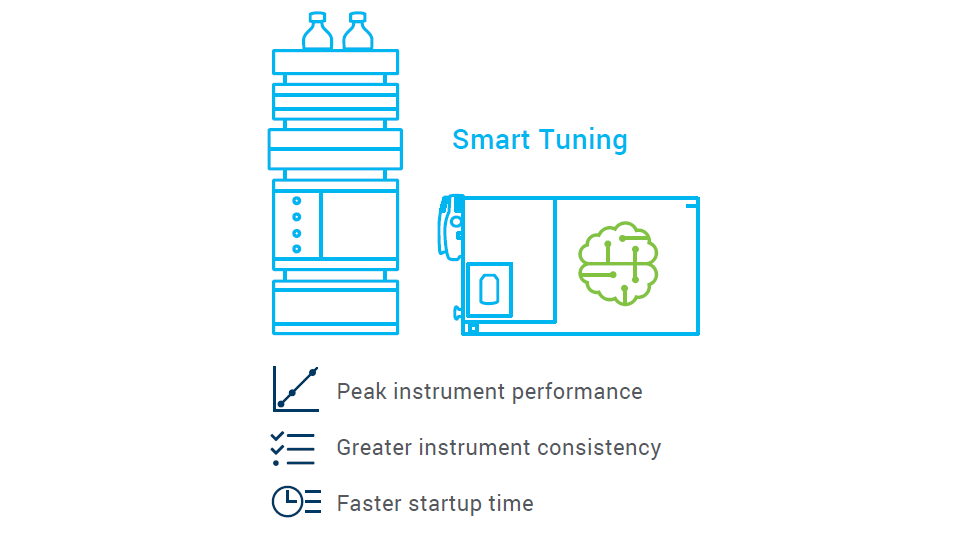
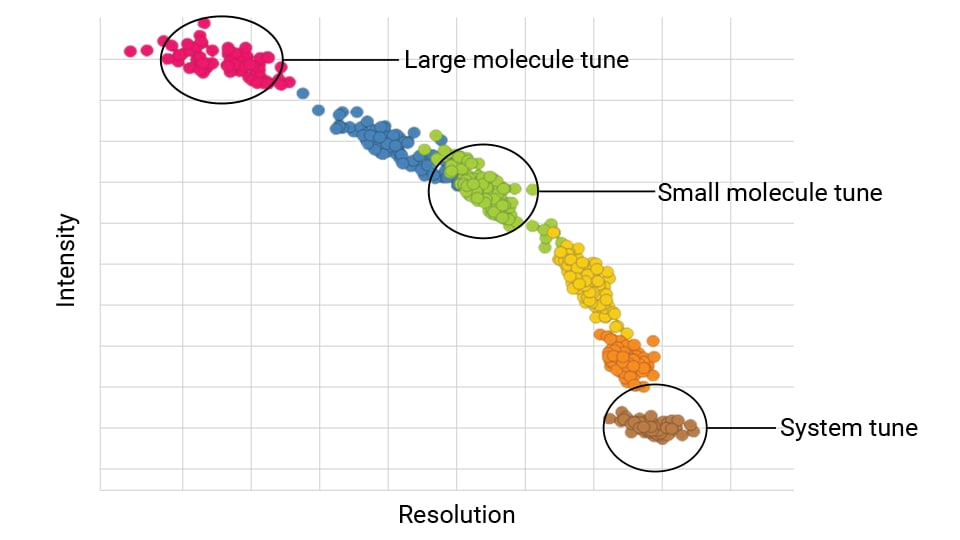
In the world of high-end LC/MS, there are many different ways to tune an instrument, depending on the application focus of the lab. The Agilent SWARM autotune allows instruments to be tuned for specific applications and desired performance. Auto- and check tunes can be scheduled to run during downtime so that the instruments are always ready to go. Smart tuning provides peak instrument performance, greater instrument consistency, and faster startup time.
AI-based SWARM autotune

SWARM autotune combines aspects of the particle swarm optimization algorithm with the speed of the simplex algorithm using artificial intelligence to find the best parameters faster. It ensures expert, application-specific results every time with single quadrupole LC/MS, triple quadrupole LC/MS and LC/(Q-)TOF instruments. Optimizing parameters one by one is time-intensive and often does not find the true optimum settings. SWARM autotune obtains the absolute best system settings using multidimensional optimization. Adjustments in one element affect all other elements.

The SWARM autotune process captures the cross-interactions between each component, reducing instrument-to-instrument variability and providing the best overall instrument performance. SWARM simplifies the optimization of multiple instrument parameters and is adjusted to allow for more ion transmission, more speed, and lower loss of fragile molecules. It saves time and delivers the best accuracy and sensitivity for any application.

LC/MS systems can be tuned to favor intensity or resolution, or be tailored to particular compound classes, depending on the desired application or workflow. Application-based tuning ensures that the instrument is tuned to the exact analytical needs of each application in a lab. For example, default system instrument modes typically favor resolution. However, for large proteins, high resolution is not always necessary, and maximizing intensity is often preferred.

Read more about application-based, SWARM optimized autotune.

Scheduled tunes – autotune or check tune

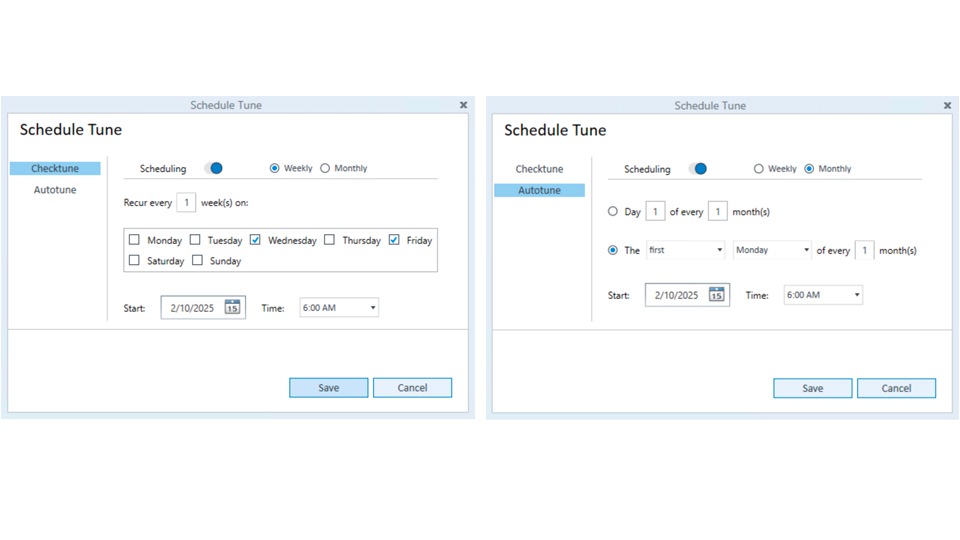
Scheduled tune boosts laboratory productivity, helping to alleviate the burden of routine maintenance, so that the mass spectrometer is always at peak performance. Automated tunes (autotune) and check tunes save time and can be set to re-occur at a desired frequency when the instrument is not in use. For example, scheduled tuning can be programmed to run on Sunday nights, so that the instrument is immediately ready to run samples when the technicians arrive on Monday morning. Scheduled tune can be set to meet any laboratory needs, whether weekly or monthly. Data acquisition software for LC/MS systems allows users to schedule instrument tuning for their LC/MS systems, maximizing uptime and ensuring peak performance. This means less downtime for maintenance and more consistent results for your lab's analyses. Learn how to streamline instrument tuning with active status monitoring, user roles and permissions, and scheduled auto- and check tunes.

Active status monitoring

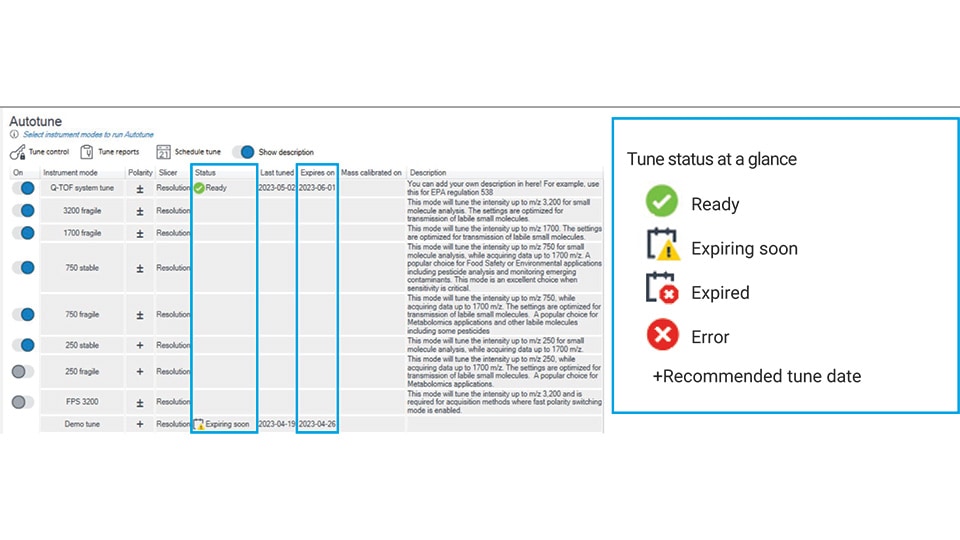
Once the appropriate instrument modes are selected and tuned, their status can be monitored through data acquisition software for LC/MS systems. Traditionally, instrument tuning relied on user judgment, considering factors such as the date of the last tuning session and the current performance of the instrument. Now, the instrument provides feedback. Users can view the instrument mode status, when the instrument mode was last tuned, when it will expire, and the recommended next tune date.

Lab managers can set tune time frames based on their laboratory needs or use preset/default time frames. This feedback is integrated into the early maintenance feedback (EMF). EMF is analogous to the check engine warning light on a car, providing valuable, easily visible information enabling the user to schedule maintenance at a time which best suits their lab.

Learn more about smart tuning

Look at different types of tune

SWARM Auto-tune

Get expert results every time, specific to your LC/MS application

Learn more about SWARM tune

Scheduled tunes

Scheduled tunes ensure the mass spectrometer is always at peak performance

Watch Video

Diagnostic tune

Diagnostic tune performs a comprehensive system analysis.