The importance of geographical authentication of agricultural goods
Several global trends are increasing pressure on the food industry to assure customers that their products are safe, ethically produced, and offer genuine value for money. These trends include:
- Food fraud: High value foods and spices such as black pepper are prime targets for substitution, dilution, or incorrect labeling. Economically motivated adulteration misleads consumers and may introduce safety risks.
- Regulations supporting sustainability and traceability: The European Union’s Regulation on Deforestation Free Products (EUDR) and broader consumer campaigns against deforestation are driving demand for verifiable, sustainable sourcing.
- Protected Geographical Indication (PGI): PGI labeling requires verified proof of origin. Products that qualify for PGI status often command higher prices and can enhance a supplier’s reputation.
Reliable analytical tools help prevent false claims and protect both producers and consumers. As discussed in a previous article on Authenticating the Origin of Soybeans, elemental profiling of crops by ICP-MS and chemometrics is a powerful approach to supporting these initiatives.
Identifying the origin of black pepper
The elemental composition of spices such as black pepper reflects their growing environment, including soil properties, climate conditions, and agricultural practices. In this study, we also used the Agilent 7850 ICP-MS and Agilent Mass Profiler Professional (MPP) software to investigate robust models to identify the geographical origin of peppercorns.
Often referred to as the “King of Spices”, black pepper has been valued since ancient times for its distinct flavor, aroma, and diverse applications in both culinary and medicinal contexts. Fraudsters are increasingly targeting these types of high-value, widely consumed foods for financial gain. In the pepper supply chain, adulteration, mislabeling, and poorly documented sourcing practices continue to challenge the industry, particularly because the spice is often sold in ground or crushed form. As a result, robust analytical methods capable of confirming origin and improving traceability are needed.
Sample preparation and method evaluation
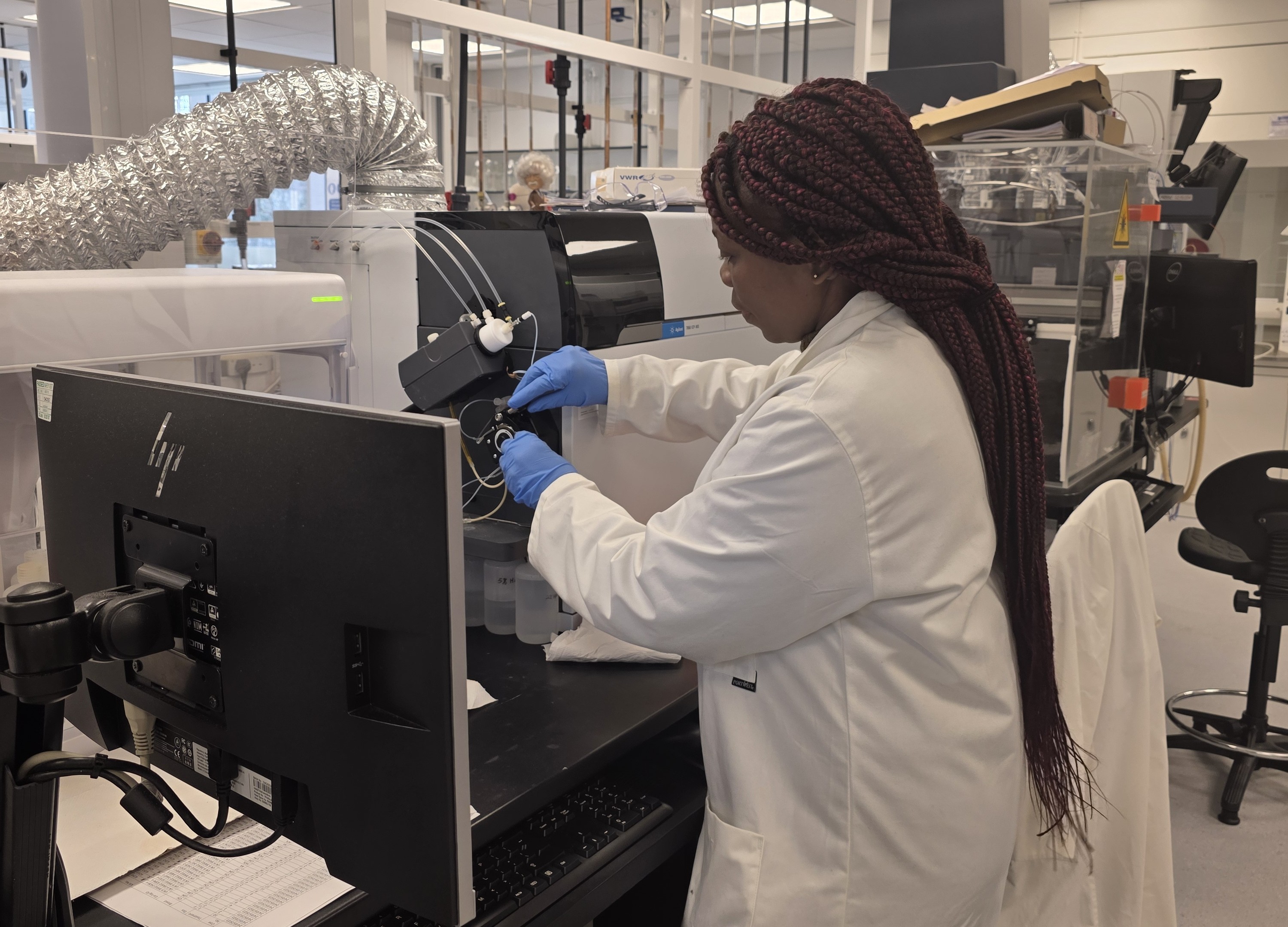
A total of 150 black pepper samples from five countries (Brazil, Cambodia, India, Indonesia, Vietnam) were collected for this study. The samples were milled, homogenized, predigested with nitric acid (HNO3) and hydrogen peroxide (H2O2), and then microwave digested. After cooling, the tubes were filled to 30 g with 0.5% HCl solution. Each sample was prepared and analyzed in triplicate by the 7850 ICP-MS with ORS4 collision reaction cell to ensure accuracy and reproducibility. The average concentration of 38 elements, including major nutrients, trace metals, and rare earth elements, was calculated from the triplicate measurements. The data was acquired by operating the ORS4 in helium mode (He KED) for all elements apart from boron (no gas).
The 7850 ICP-MS method was shown to be suitable for the study, as the following performance criteria demonstrate:
- Detection limits for all elements were calculated following IUPAC guidelines and showed excellent sensitivity in the ppt to ppb level.
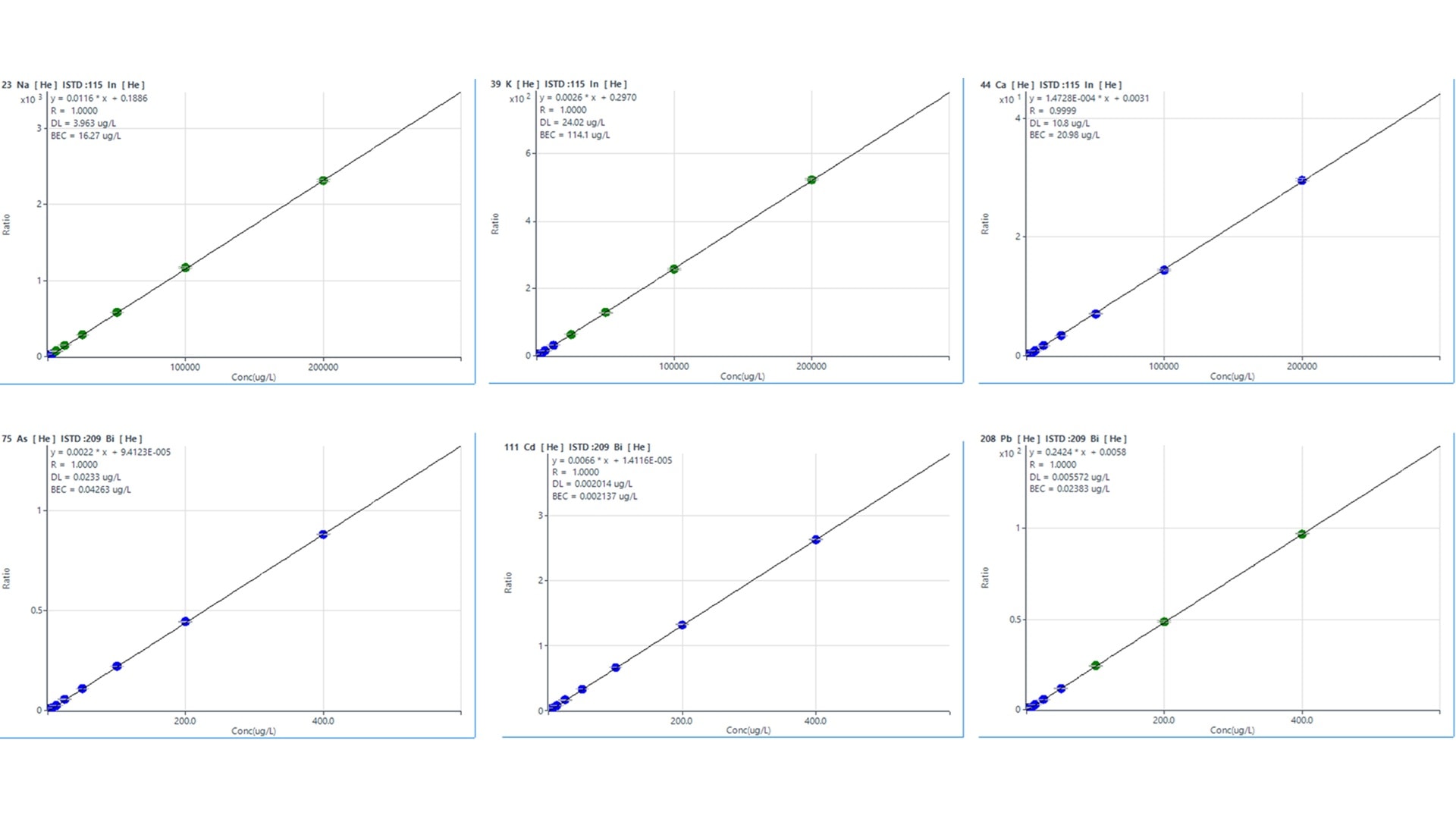
- All calibration curves achieved an R > 0.999, indicating exceptional linearity for trace and major elements (Figure 2).
- Measurement of a black pepper reference material (TBK001RM) for As, Cd, and Pb, and a spike recovery test of the RM for the other elements showed results between 81 and 119%, demonstrating minimal matrix interferences.
- Internal standard recoveries of Bi and In remained within ±20% throughout long analytical runs performed over several days, confirming the instrument’s robustness and stability.
Chemometric analysis using MPP software
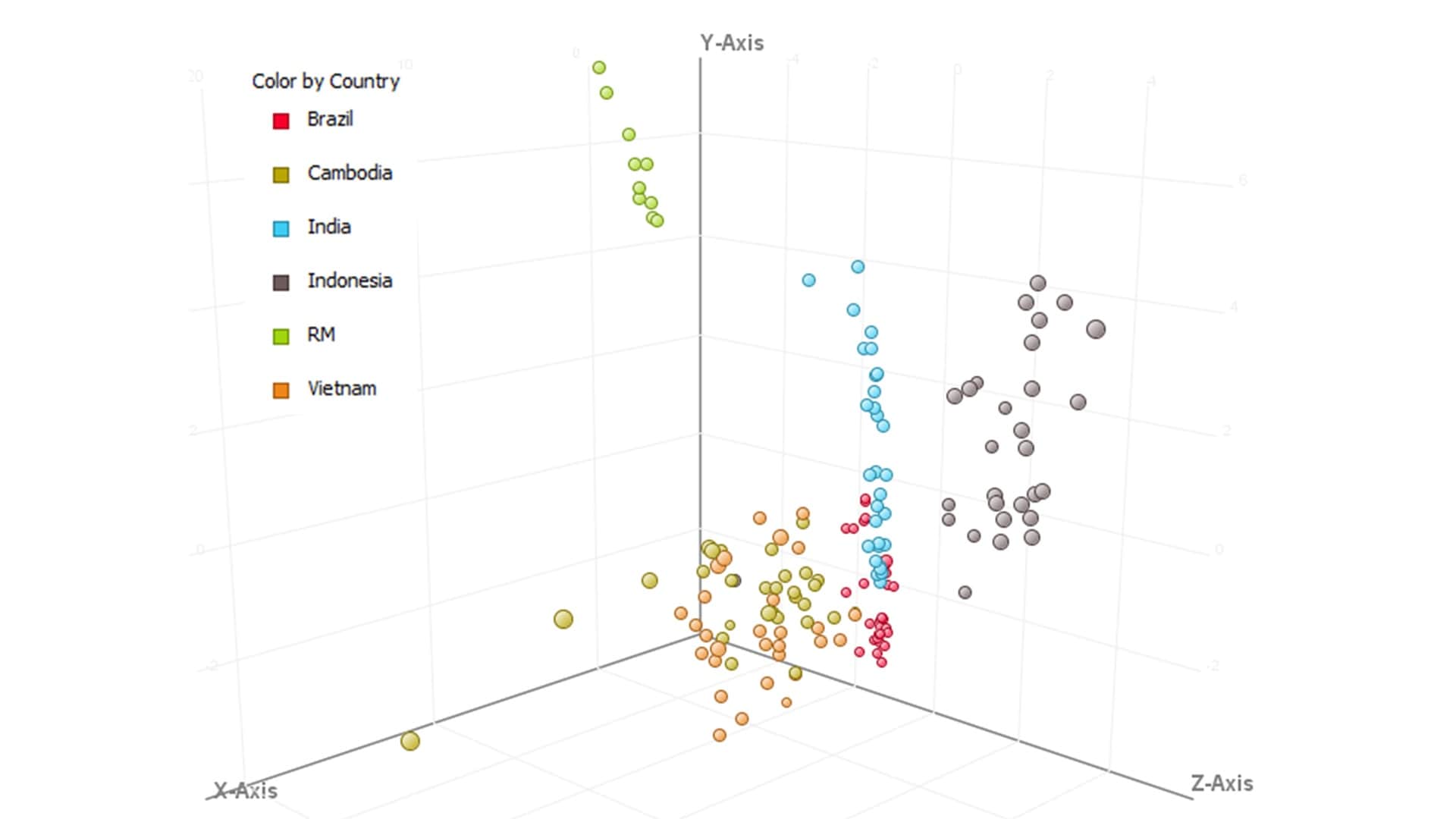
The elemental data for 38 elements measured in 150 black pepper samples were combined and imported into the MPP chemometric software for statistical analysis. Principal Component Analysis (PCA) reduces complex datasets into principal components that capture the greatest variance. PCA with a p-value cutoff <0.05 was performed to identify differences between the black pepper sample groups based on geographical origin. The first three PCs accounted for 77.2% of all variation in the dataset, with PC1 alone explaining over half of the total variance (Figure 3). The PCA also showed:
- Samples from Brazil, India, Indonesia, and the Reference Material formed clear cluster groups
- Cambodian and Vietnamese samples overlapped, likely due to geographic proximity, similar climate, and similar soil characteristics
- Elements most important for differentiation included Yb, Tm, Pr, Er, Nd, Ho (PC1) and Ca, K, Mg, Rb, Pb, Zn (PC2)
These results confirm that even small variations in elemental composition can reveal meaningful geographic distinctions (Figure 3).
Class prediction models
The MPP software includes multiple class prediction algorithms. For this study, Linear Discriminant Analysis (LDA) and Random Forest (RF) were selected to develop prediction models for identifying the geographical origin of black pepper samples based on their elemental composition.
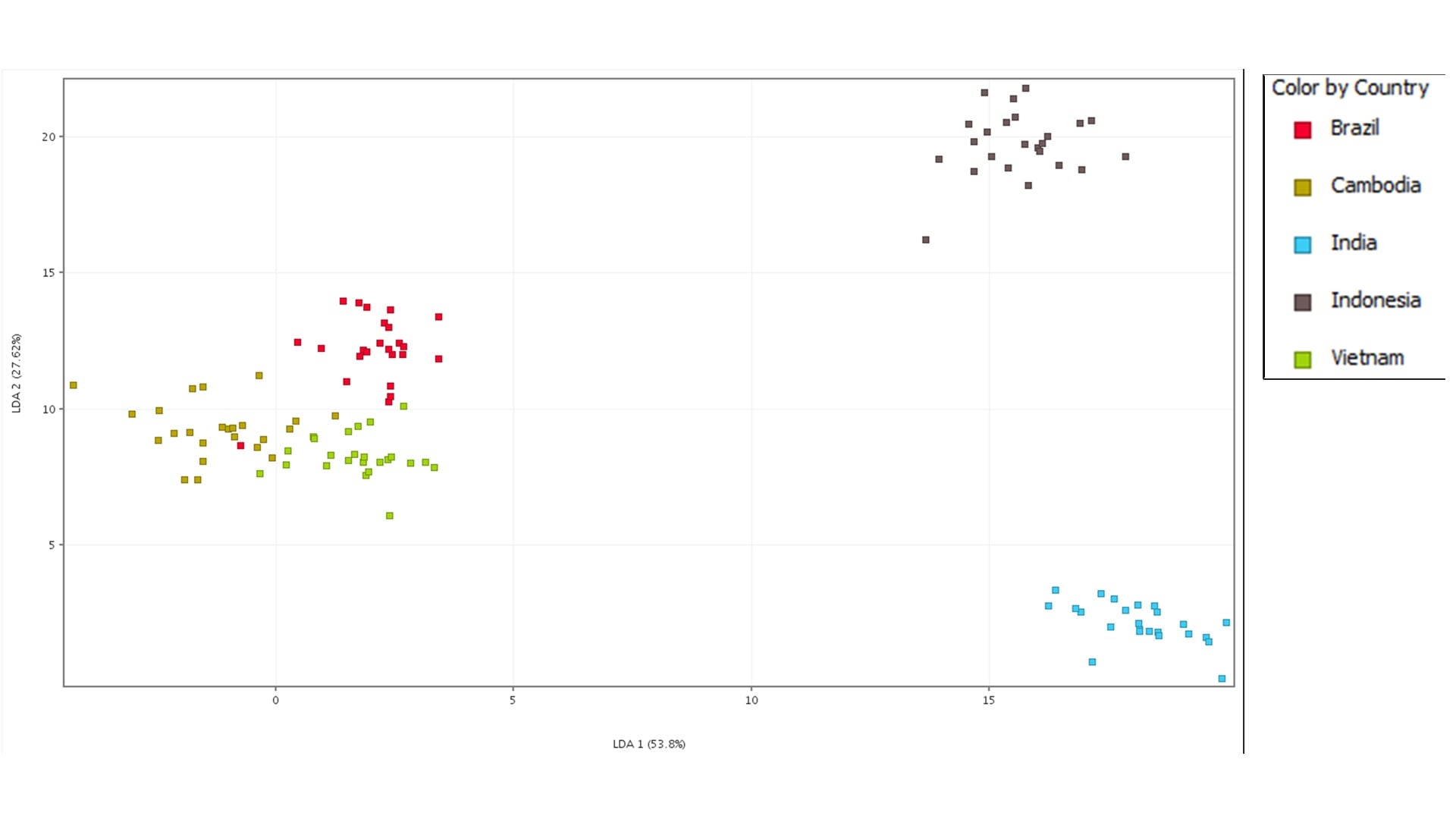
The training set comprised 80% of the black pepper samples, while the test set included the remaining 20%. The training set was used to build the models by identifying patterns that most effectively separate the samples by origin, and the test set was used to validate the model. The LDA score plot was used to visually assess sample separation and clustering (Figure 4).
The test set, consisting of 30 unknown samples, was then used to evaluate the model’s classification accuracy. The origin of 24 of the 30 samples was correctly assigned using the LDA model, while the RF model was 100% correct.
These findings highlight the potential of ICP-MS and chemometric modeling for verifying black pepper origin, strengthening authenticity and traceability efforts within the industry.
Learn more
- Chilaka, C. A.; Aparicio-Muriana, M. M.; Petchkongkaew, A.; Quinn, B.; Birse, N.; Elliott, C. T. A combined elementomics, metabolomics, and chemometrics approach as tools to identify the geographic origins of black pepper. Food Chem, 2025, 492 (2), 145420. https://doi.org/10.1016/j.foodchem.2025.145420
- Aparicio-Muriana, M.M., Hong, Y., Chilaka, C.A. et al. Black Pepper Origin Differentiation Using Large ICP-MS Datasets and Chemometric Tools, Agilent publication, 5994-8741EN
- April 2021 Thought Leader Award Winner - University Relations at Agilent
Agilent University Relations Thought Leader program and Grant ID #4628
DE-013654