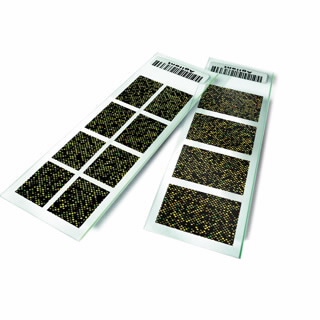
蚊子基因表达微阵列芯片
RUO
冈比亚疟蚊是寄生虫恶性疟原虫的主要载体,可引起疟疾(世界上最主要的寄生虫病之一)和其他一些人类疾病。这款安捷伦微阵列芯片可以在疟蚊的不同发育阶段和组织中进行全基因组转录组分析。您还可以检测环境变化或药物扰动引起的表达差异。
高质量的寡核苷酸以及探针设计和实验方案的灵活性可确保获得宽动态范围、极高的灵敏度和重现性。了解更多信息。
仅限研究使用。不可用于诊断目的。
- Animal Microarrays
No data to display
This product is not available for purchase by the general public.
Product Details
Features
- 表示 43803 个蚊子探针
- 格式为带有条形码的 1' x 3' (25 mm x 75 mm) 玻片上的 4 x 44 K 高分辨率微阵列芯片
- 超过 5 个 log 的极宽动态范围确保可检测高低表达子,以便准确表示表达水平范围
- 不同微阵列芯片间一致的特征(点)质量产生值得信赖的实验结果
- 通过安捷伦的 eArray 网站轻松获取探针序列和注释信息
- 表示 43803 个蚊子探针
- 格式为带有条形码的 1' x 3' (25 mm x 75 mm) 玻片上的 4 x 44 K 高分辨率微阵列芯片
- 内容来源于:Refseq(第 27 版),2008 年 1 月;UniGene(第 10 版),2008 年 1 月;UniGene(第 54 版),2007 年 12 月;TIGR(第 11 版),2006 年 8 月;Ensembl(第 49 版),2008 年 2 月;Entrez 基因,2008 年 4 月 30 日;anoGam1 (MOZ2),2003 年 2 月;UCSC dm3(BDGP 第 5 版),2006 年 4 月
- 如需订购,请指定与所需阵列芯片 ID 020449 相应的部件号 G2519F 及阵列芯片 ID

Literature
- Application Notes
-
ERCC Spike-In Control Transcripts Provides Confidence in Agilent Microarray and RNA-Seq Gene Expression Data
Data generated by the Sequencing Quality Control Consortium (SEQC) has shown that RNA-Seq and microarray-based gene expression models are comparable in clinical endpoint prediction performance.
- Application Notes
- English
- 21 Feb 2020
- 6.21 MB
Ultra-low Input Total RNA Gene Expression Analysis Using the Agilent SurePrint G3 Human Gene Expression Microarray
In this study, we modified the existing gene expression microarray protocol to allow processing of samples starting from 250 pg of total RNA.
- Application Notes
- English
- 20 Nov 2019
- 1.72 MB
Support
- User Manuals
-
One-Color Microarray-Based Gene Expression Analysis v.6.9.1
One-Color Microarray-Based Gene Expression Analysis 6.9.1
- User Manuals
- English
- 31 Mar 2016
- 5.07 MB
Two-Color Microarray-Based Gene Expression Analysis v.6.9.1
Two-Color Gene Expression Protocol 6.9
- User Manuals
- English
- 17 Dec 2015
- 1.71 MB
Tools
Trusted and Flexible Gene Expression Platform
See how you can enable easy and fast transcriptome analysis.
Promotions