Characterization of Stem Cell Derived Models
Stem cell-derived models have become a cornerstone of modern biomedical research, allowing scientists to study complex biological processes, disease mechanisms, and drug responses. The rapidly evolving human induced pluripotent stem cell (iPSC) technology has paved the way for developing physiologically relevant models for basic and translational research. The pluripotent stem cells offer the ability to generate various cell types, such as cardiomyocytes, neurons, and endothelial cells, enabling researchers to mimic tissues and organs for disease modeling, drug discovery, and regenerative medicine.
However, stem cell-derived models come with significant challenges. One of the main difficulties is ensuring consistent and reproducible differentiation of stem cells into the desired cell types, as variations in protocols, process conditions, and the quality of stem cells can lead to improper or incomplete differentiation.
Advanced stem cell characterization assays provide researchers with valuable insight into these issues and strategies to address them. Robust imaging tools, which work with both 2D and 3D models, are critical to evaluate stem cell marker expression and heterogeneity. Furthermore, functional assays go beyond expression to ensure stem cells have the appropriate proliferative potential and metabolism. Metabolic phenotype and proliferative capacity are valuable indicators of pluripotency used to improve differentiation efficiency and protocol optimization.
In addition to characterization and quality control of iPSC cultures, Agilent also offers unique tools to improve differentiation and maturation programs. Automation improves the quality and consistency of stem cell-derived models by precisely controlling culture conditions and media exchanges. In parallel, automated imaging enables confirmation of desired cell markers and phenotypes. And specifically for cardiomyocytes, electrical pacing is an essential tool for successful maturation.
In this TekTalk we’ve compiled diverse resources, including application notes and technical tips, for optimizing a wide range of stem cell workflows and characterizing stem cell-derived models.
Featured Application Notes

Glycolytic Suppression - The Impact of Metabolic Modulation on Neural Stem Cell Fate
This application note investigates the metabolic drivers impacting neuronal stem cell differentiation, with respect to speed and efficiency. Modulating iPSC metabolism by replacing glucose with galactose promoted switching from a glycolytic to an oxidative phosphorylation phenotype that correlated with increased NPC differentiation efficiency.
An Automated Walk-Away System to Perform Differentiation of 3D Mesenchymal Stem Cell Spheroids
This application note describes an automated system and method to create biomimetic hMSC spheroids. Differentiation of 3D cultured stem cells is accomplished through analysis of brightfield and fluorescent cell images.
Assessment of Cardiomyocyte Disease Models Using the Agilent xCELLigence CardioECR System
This application note showcases real-time multiplexed evaluation of the functional activity of beating cardiomyocytes using the CardioECR system, depicting and recapitulating disease phenotype of cardiomyocytes differentiated from patient-specific induced pluripotent stem cell (PS-iPSC).
Real-Time Quality Control and Functional Assessment of Mesenchymal Stem Cells for Cellular Therapies
A label-free assay for the functional assessment of bone marrow-derived mesenchymal stem cells (BMSCs) was developed using the Agilent xCELLigence real-time cell analysis (RTCA) instrument. Multiple quantitative parameters can be derived from the data to characterize BMSCs and estimatecell potency and function. This set of kinetic parameters is able to effectively estimate BMSC functional capacity (that is, differentiation potential), and can serve as a tool for preclinical quality control assessment.
Tek Tips
Differentiation of pluripotent stem cells into the cell type of interest is commonly achieved by addition of a cocktail and signaling molecules and/or growth factors in culture media and maintaining cell culture for relative extensive periods of time. Due to the time, complexity and costly reagents involved in the process, it is important to define robust protocols that will result in uniform and reproducible differentiated cells.
iPSC culture maintenance:
iPSC cells should be carefully cultured using matrix-coated plates or feeder cells. It’s important to refresh culture media frequently and monitor cell density and morphology to avoid culture overgrowth that will result in cell differentiation and loss of pluripotent potential. The Agilent BioTek BioSpa live cell analysis system combines an automated incubator with Cytation cell imaging multimode reader for effortlessly monitoring and maintenance of cell culture.Culture media stability:
Some components in cell culture media are sensitive to temperature. Warming the media just before use and only the needed volume (instead of the entire flask) will avoid prolonged warming that can degrade essential components and reduce the effectiveness of the media. Consistent renewal of cell culture media can be achieved using Agilent BioTek automated liquid handling systems, increasing efficiency and minimizing disruption to the cells.Culture media composition:
The metabolic state of cells will determine cell fate decisions and differentiation efficiency. Glucose and glutamine concentrations in culture media strongly influence the metabolic state and can be used to modulate the differentiation process. Seahorse XF technology allows to monitor the metabolic state of the cells and metabolic switches that are critical for cell maturation.Scale-up:
The column height of culture media (which depends on well surface area vs. volume of media added) can affect oxygen availability in the cell monolayer impacting growth rate and metabolic state. It is important to maintain consistency in the column height, especially when scaling up differentiation protocols to bigger culture vessels. The use of fluorescent probes to measure intracellular oxygen concentration and redox state combined with Agilent BioTek plate readers can provide meaningful information to optimize differentiation protocols.Functional validation:
To ensure proper differentiation it is important to monitor not only the expression of the correct cellular markers but also to validate the functionality of the differentiated cells. Agilent provides a unique offering of solutions focused on understanding cellular functionality like the xCELLigence RTCA CardioECR instrument to simultaneously assess cardiomyocyte contractility, viability, and electrophysiology of differentiated cardiomyocytes.
Product Spotlights
xCELLigence RTCA Cardio ECR
To date, the iPSC-derived cardiomyocytes (iPSC-CMs), collected from both healthy and unhealthy individuals have been utilized as an attractive experimental platform to study cardiovascular development, enhance the predictivity of drug cardiac liability, model cardiovascular diseases, and advance potential regenerative therapies. However, the predictive power of iPSC-CMs as a valuable model is contingent on comprehensive and rigorous molecular and functional characterization.
The Agilent xCELLigence RTCA CardioECR system provides a comprehensive assessment of cell viability, health, and cardiac functional activities, including contractility and electrophysiology through its dual measurements: impedance, and field potential (FP) measurements. The system’s enhanced impedance measurement rate (every 1 ms) provides extremely high temporal resolution for capturing subtleties of the cardiomyocyte contraction/relaxation continuum. Additionally, cardiac channel activities are monitored by FP measurements at 10 kHz, which can be performed in tandem with impedance recording
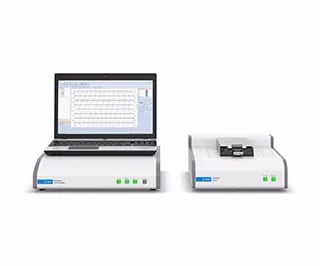
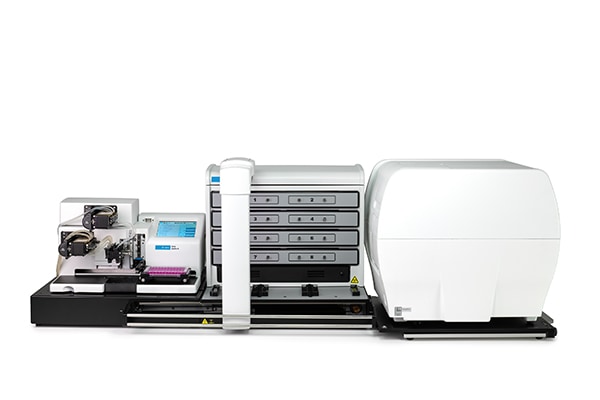
Agilent BioTek BioSpa Live Cell Analysis System
Capture high-resolution cellular images and perform comprehensive cell-level analyses for various applications in up to eight microplates or other labware with the Agilent BioTek live cell analysis system. The BioSpa incubator integrates with a BioTek Cytation imager and BioTek microplate washer, dispenser or combination system for complete workflow automation. The built-in scheduling enables multiple users to run processes simultaneously without interference. The BioSpa live cell analysis system provides benchtop automation for stem cell differentiation and other live cell applications.
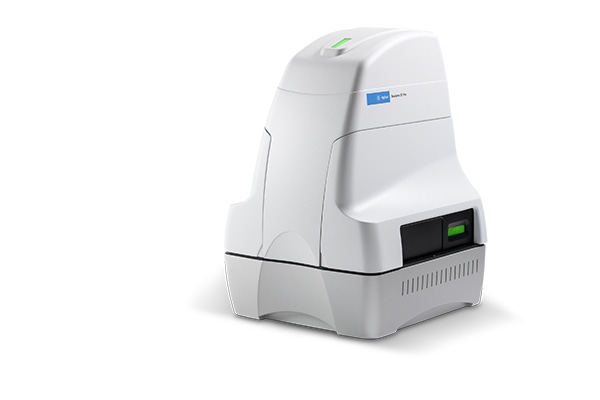
Seahorse XF Pro Analyzer
Stem cells, somatic cells, and differentiated cells exhibit specific and distinct metabolic signatures. Agilent Seahorse XF technology provides critical functional measurements of the two main metabolic pathways, glycolysis and oxidative phosphorylation, for live cells in real time, enabling researchers to measure gain, maintenance, and loss of pluripotency.
Webinar OnDemand
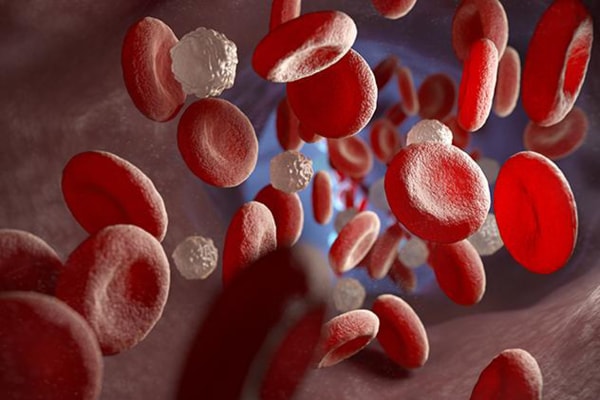
SNPing in and out of the stem cell genome with CRISPR/Cas9 to investigate cardiovascular disease
In this webinar, Dr. Chris Denning discusses short stories around his research, particularly around the use of Cas9/CRISPR to modify the genome of hiPSC-CMs, along with applications of Agilent Seahorse XF and CardioECR to understand more about disease and variation in the human population. Cardiomyocytes derived from human pluripotent stem cells (hPSC-CMs) provide a powerful tool for modelling impact of disease and drugs on structure and function. The presentation will also provide early data on the use of Cas9/CRISPR reporter lines to conduct large scale screens of compounds that may be useful in inducing cardiomyocyte maturation.
Additional Resources
- Agilent Seahorse XF Live-Cell Metabolism Solutions for Stem Cell Research
- Using the Agilent xCELLigence RTCA ePacer for Functional Maturation of Human-Induced Pluripotent Stem Cell-Derived Cardiomyocytes
- Determining Metabolic Switch in Induced Pluripotent Stem Cells (iPSCs)
- Stem Cell Biology Applications & Industries page
For further information please visit:
Upcoming Events
RA250225.116-1