Immunotherapy
November 2025
Immunotherapy has emerged as a transformative approach in the fight against cancer and other immune-related diseases, leveraging the body’s own immune system to target and eliminate abnormal cells. Its relevance spans across oncology, infectious disease, and autoimmune research, offering promising avenues for both therapeutic development and personalized medicine. As the field continues to evolve, researchers require robust tools to dissect complex immune responses, monitor cell behavior, and evaluate therapeutic efficacy with precision and reproducibility.
However, conventional solutions often fall short in delivering the sensitivity, throughput, and real-time insights needed for cutting-edge immunotherapy research. Limitations such as endpoint-only measurements, low multiplexing capabilities, and inconsistent data quality can hinder progress and delay discovery. Conventional platforms may also lack integration across workflows, making it difficult to correlate metabolic, phenotypic, and functional data in a streamlined manner.
In this edition of TekTalk, we will explore Agilent solutions—including the xCELLigence RTCA system, NovoCyte flow cytometer, Seahorse XF analyzer, and BioTek imaging solutions—to addresses these challenges head-on. These technologies enable dynamic, sensitive monitoring of immune cell activity, high-resolution flow cytometry for deep immunophenotyping, real-time metabolic profiling, and advanced imaging for cell-based assays. Together, they empower researchers with comprehensive, high-quality data to accelerate immunotherapy breakthroughs. This TekTalk highlights how Agilent’s broad portfolios support immunotherapy workflows from early discovery to translational research, helping scientists unlock the full potential of immune-based treatments.
Featured Applications Notes

A Novel Real-Time Co-Culture Assay Using xCELLigence RTCA eSight for Immune Cell Invasion and Cytotoxicity
Immune cells extravasate from blood vessels to infiltrate the tissues and perform effector functions that play a crucial role in tumor immune surveillance. This application note introduces a novel real-time co-culture assay using the Agilent xCELLigence RTCA eSight platform, enabling simultaneous assessment of immune cell invasion and cytotoxicity within a single experiment. By combining kinetic impedance measurements with live-cell imaging, this approach delivers insights that are unattainable with conventional assays.
In-Depth Characterization of the Major Leukocyte Cell Subsets in Human Peripheral Mononuclear Cells
Flow cytometry is a powerful technique for in-depth analysis of different immune cell subpopulations to gather a comprehensive assessment of the immune system. Spectral flow cytometry has led to advancements in capabilities to support more markers, greater flexibility, and better data resolution. In this application note, a 45-color flow cytometry panel was designed for the Agilent NovoCyte Opteon spectral flow cytometer to analyze the distribution of immune cells in a peripheral blood mononuclear cell (PBMC) sample.
Automated Assay for Measuring CAR T Cell Killing in 3D Cancer Models
CAR T cells are a cornerstone of modern immunotherapy, harnessing engineered T lymphocytes to target and destroy cancer cells. To advance CAR T and related cell therapies against solid tumors, researchers need robust assays that reflect the complexities of 3D tumor biology. Using the Agilent BioTek Cytation C10 confocal imaging reader, high-throughput, kinetic insights into immune cell infiltration, tumor cell killing, and dose-dependent cytotoxicity were captured, allowing for the accelerated development of more predictive immunotherapy strategies.
Assessing T Cell Bioenergetic Poise and SRC Using Extracellular Flux Analysis
There is strong evidence suggesting that metabolic fitness of T cells play an essential role in regulating antitumor function and effectiveness of T cell-based immunotherapies. This application note describes how to acquire robust measurements of glycolytic and mitochondrial activity in T cell populations combined with mitochondrial respiratory capacity using the Agilent Seahorse XF T cell metabolic profiling kit. It also discusses how these measurements can provide valuable information during the therapy development processes targeted at improving T cell persistence or avoiding metabolic exhaustion post-activation in the tumor microenvironment.
Tek Tips
Adjusting your assays to better mimic in vivo conditions
One of the persistent challenges in evaluating CAR T cell potency, especially for solid tumors, is the lack of correlation between in vitro and in vivo results. Traditional in vitro assays often fail to capture the complexity of the tumor microenvironment (TME), as they typically involve brief coculture periods to assess CAR T cell performance, which can lead to misleading potency assessments. Alternative approaches to better mimic TME conditions include:
- Modulating culture medium composition during killing assays: In most cytotoxic studies, assays are conducted in culture medium containing high glucose concentrations, physiological pH, and abundant amino acids and growth factors – conditions that favor optimal T cell activation and proliferation upon encountering target cells. However, conducting assays under more stringent media compositions can provide insights into the limiting factors affecting CAR T cell function in vivo and guide the optimization of CAR-T design to overcome these constraints. Metabolic profiling of CAR T cells under these challenging assay conditions using Seahorse XF analyzers can help define the desired metabolic profile for CAR T manufacturing.
- Conducting killing assays under hypoxic conditions: Hypoxia can significantly impair CAR T cell activity by affecting both tumor cells and immune responses. Under low oxygen conditions, tumor cells may become more resistant to immune-mediated killing and downregulate target antigens, making them harder for CAR T cells to recognize. Additionally, hypoxia can suppress CAR T cell metabolism, proliferation, and cytokine production, reducing their cytotoxic potential. To better understand and overcome these challenges, killing assays should be conducted under controlled hypoxic conditions. Agilent xCELLigence RTCA analyzers can be placed in incubators with regulated oxygen levels to facilitate such studies. Alternatively, automated systems like the Agilent BioSpa integrated with Cytation imaging platforms enable time-lapse imaging of live cell cocultures under controlled environmental conditions, simulating hypoxic TMEs and allowing real-time observation of CAR T cell responses.
- Conduct repetitive CAR T tumor challenges: Traditional in vitro cytolysis assays often fail to reflect the true antitumor potential of CAR T cells, as they typically involve short coculture periods and focus solely on cytotoxic capacity. To address these limitations, a prolonged, multimodal workflow that includes multiple tumor rechallenges—combined with metabolic profiling and immunophenotypic characterization after each killing cycle—can provide a more accurate prediction of CAR T therapeutic efficacy in vivo.
Adjusting Cell Killing Assay Parameters for 3D Cell Culture Models
Transitioning from 2D to 3D cell culture formats introduces new challenges in immune cell killing assays, particularly due to the structural complexity and limited accessibility of target cells within 3D matrices. To ensure accurate and reproducible results:
- Extend assay duration: 3D models often require longer incubation times to allow for sufficient immune cell infiltration, compound diffusion, and signal development. Begin by increasing assay duration by 50 to100% compared to 2D protocols and optimize based on kinetic data.
- Increase effector-to-target (E:T) ratios: Higher E:T ratios are typically needed in 3D assays to overcome spatial barriers and achieve comparable cytotoxicity levels. This applies particularly to 3D targets embedded in matrix. Start with 2x the E:T ratio used in 2D assays and titrate based on observed activity.
Validating Reagent Penetration and Matrix Composition
Effective assay performance in 3D systems depends on the ability of immune cells and reagents to penetrate the matrix and interact with embedded target cells. Poor distribution can lead to underestimation of therapeutic efficacy.
- Use fluorescent tracers or viability dyes to assess reagent penetration and ensure uniform exposure throughout the 3D structure.
- Optimize matrix composition and density to balance physiological relevance with accessibility. Softer matrices may improve infiltration but could compromise structural integrity, while denser matrices may better mimic the tumor microenvironment but hinder immune cell access.
Product Spotlights
xCELLigence RTCA eSight
The xCELLigence RTCA eSight enables simultaneous, real-time, biosensor- and image-based measurements. The dual-readout capability is particularly valuable in immunotherapy, where understanding the kinetics and potency of immune cell killing (e.g., CAR T cells, NK cells, or checkpoint inhibitors) is critical for evaluating therapeutic efficacy. The system’s intuitive workflow and multiplexing capabilities support high-throughput assays across various formats, including 2D and 3D tumor spheroids, enabling detailed insights into tumor-immune interactions and treatment responses.
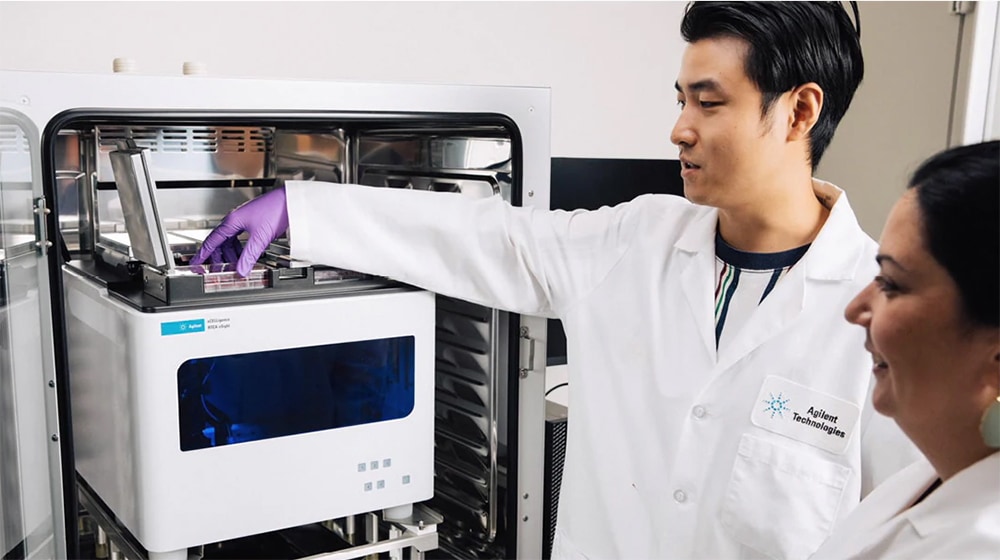
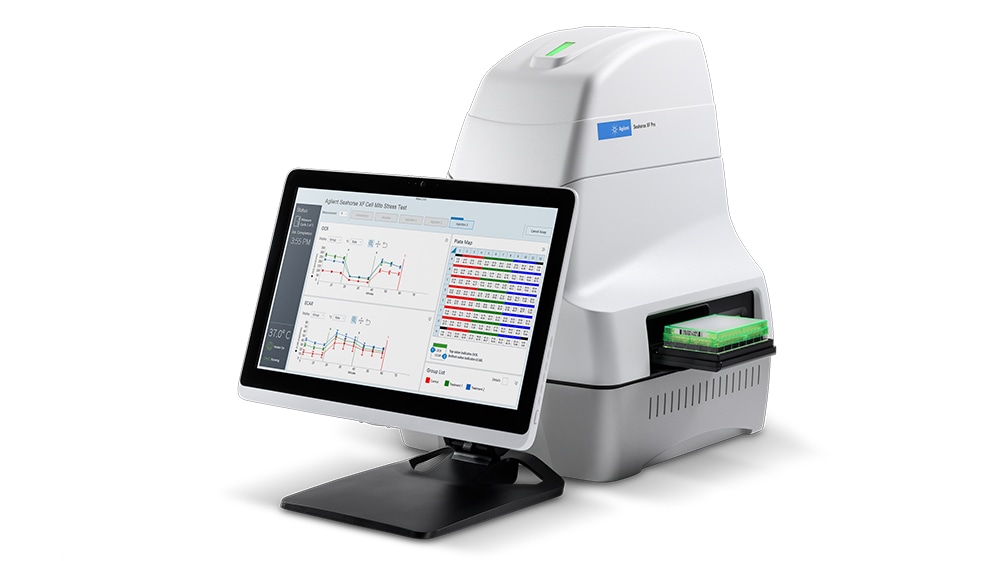
Seahorse XF Pro Analyzer
The Agilent Seahorse XF Pro analyzer enables real-time, live-cell analysis of mitochondrial respiration and glycolysis. It enables the characterization of immune cell metabolic fitness, which correlates with persistence and antitumor potential. By providing multiparametric data on energy metabolism, the XF Pro enables researchers to optimize cell expansion conditions, assess engineering strategies that contribute to T cell activity in the harsh tumor microenvironment, and identify metabolic signatures linked to therapeutic efficacy.
Learn moreBioTek Cytation C10 Confocal Imaging Reader
The Agilent BioTek Cytation C10 confocal imaging reader advances immunotherapy research by uniting high-resolution confocal imaging with multimode detection. It enables real-time tracking of CAR T and NK cell cytotoxicity in 2D and 3D, visualizes tumor spheroid infiltration, and quantifies T cell activation via clustering, proliferation, and cytokine secretion. Automated capture, control, and analysis deliver robust, reproducible data to accelerate your research.
Learn more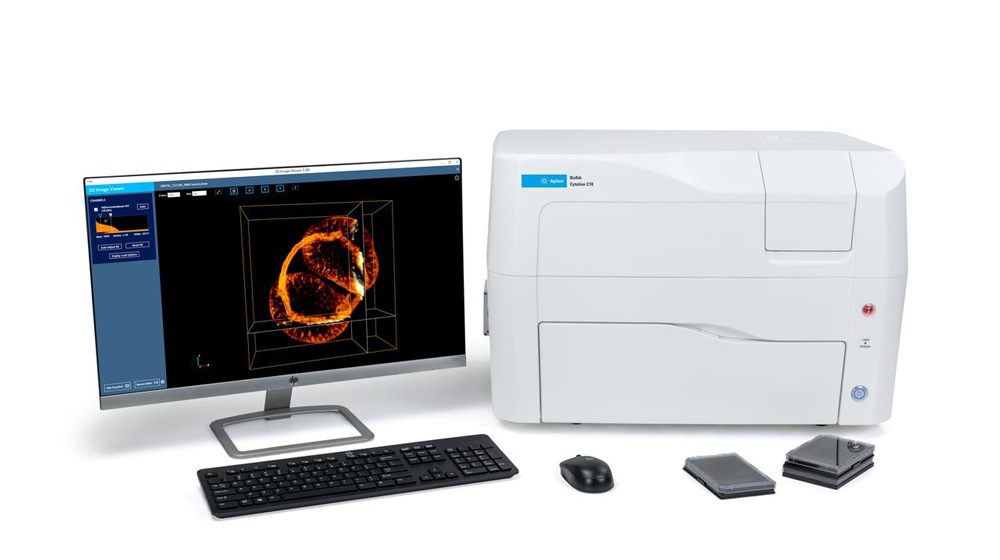
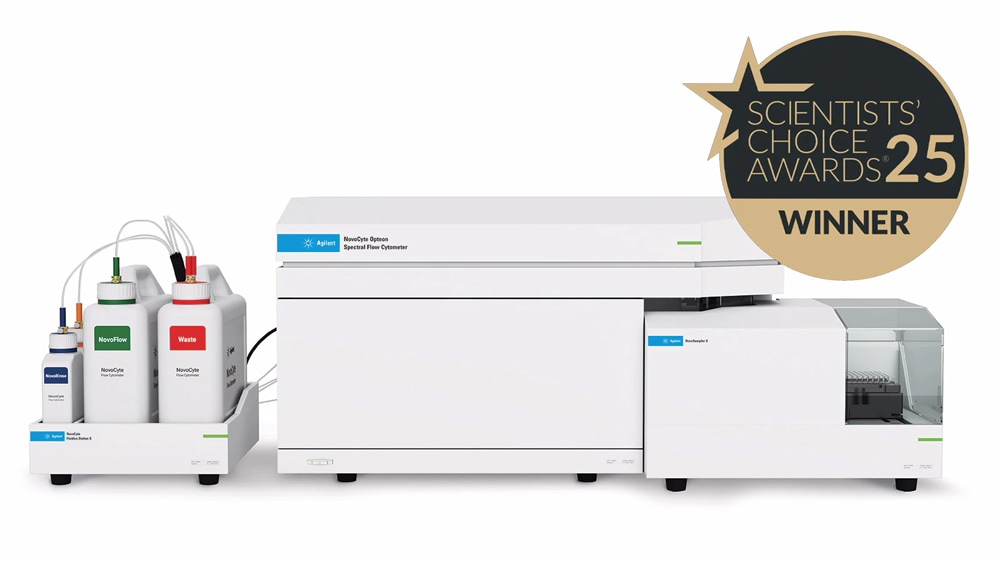
NovoCyte Opteon Spectral Flow Cytometer
The NovoCyte Opteon spectral flow cytometer enables high-dimensional, single-cell analysis with unmatched precision and flexibility. Equipped with up to five lasers and 73 detectors, it supports large, complex panels allowing researchers to characterize immune cell subsets, activation states, and exhaustion markers. Its advanced spectral capabilities empower immunotherapy studies to detect rare cell populations, monitor immune responses, and evaluate therapeutic efficacy with greater accuracy and throughput.
Learn moreWebinar
Revolutionize Cancer Treatment: Advanced NK and γδ T Cell Therapy Strategies
Discover how cutting-edge cell therapy is transforming outcomes for acute myeloid leukemia patients
Are you struggling with high relapse rates in your stem cell transplant programs? Current haploidentical transplant approaches face a critical challenge: while donor T cells effectively fight leukemia, they also trigger dangerous graft-versus-host disease, leading to unacceptable patient mortality.
There's a better way.
Join our exclusive webinar to explore a breakthrough therapeutic strategy that harnesses the power of natural killer (NK) and γδ T cells to eliminate leukemia while avoiding life-threatening complications. Our innovative approach has demonstrated that enriched NK and γδ T cell grafts deliver superior anti-tumor activity without the devastating side effects of traditional methods.
Additional Resources
Application & Industries
Application notes
- Real-Time Antibody Internalization Assays with Agilent xCELLigence RTCA eSight
- Metabolic Preconditioning Improves Engineered T Cell Fitness and Function
- Bispecific T Cell Engager (BiTE) Mediated Cancer Cell Lysis Assay Application Note
- Automated Imaging-Based Method to Measure CAR T-Cell-Mediated Cytotoxicity
- Automated Label-Free Imaging Assay for Measuring T Cell Activation and Cluster Formation
- Image-Based, Label-Free Methods to Detect and Quantify General and Directed T Cell Activation
- Multiparametric Assessment of IL-2-Induced T Cell Activation
- Automated Bioluminescent ADCC Reporter Bioassay Using Bioengineered Jurkat Cells
- Validation of an Image-Based 3D Natural Killer Cell Mediated Cytotoxicity Assay
- Improved CAR-NK Metabolic Fitness Leads to More Persistent Killing and is Predictive of Superior Clinical Outcomes
- Mitochondrial Metabolism Is a Key Indicator of CAR T Cell TherapeuticEfficacy in Chronic Lymphocytic Leukemia
Articles
- Enhancing Immune Cell Cytotoxicity and Persistence Insights Using Real-Time Cell Analysis
- Improving T-Cell Activation and Serial Killing Through Metabolic Modulation
Handbook
Technical overview
Other
Upcoming Conference
40th Society for Immunotherapy of Cancer (SITC) Conference
Nov. 7-9, 2025 | National Harbor, MD
Cell Therapy Analytical Development Summit
Dec 1 - 3, 2025 | Boston, MA
For Research Use Only. Not for use in diagnostic procedures.
RA251023.538