Agilent Thought Leader Program
This invitational program promotes fundamental scientific advancements by contributing financial support, products and expertise to the research of influential thought leaders in the life sciences, diagnostics, and chemical analysis.
Thought Leader Award Recipients
Thought Leader Award Recipients:

Dr. Jennifer Field
Professor of Environmental and Molecular Toxicology
Oregon State University
Awarded in Sept 2023
Dr. Field is a Professor in the Environmental and Molecular Toxicology Department at Oregon State University’s College of Agricultural Sciences. Her research focuses on the quantitative analysis of organic micropollutants and their transformation products in natural and engineered systems, particularly per- and polyfluoroalkyl substances (PFAS). This Thought Leader Award will support her project on developing a “Hierarchical Analytical Approach to Closing the Mass Balance for PFAS and Organic Fluorine”. (press release).

Professor and Chair of Bioprocess Engineering
Technical University of Berlin
Awarded in August 2023
Dr. Neubauer is Professor and Chair of Bioprocess Engineering at the Technical University of Berlin and leads innovative research to identify new methods for more efficient bioprocess development, including genetic, cultivation, and analytical tools, with a particular focus on industrial-scale applications. He also established and heads the KIWI-biolab as an International Future Laboratory for AI for Intelligent Integrated Biolaboratories. Dr. Neubauer’s work orchestrates hardware, software, automation, mathematical models, and AI to discover optimal conditions for PAT end-to-end workflows. Integrating intelligent technologies and automation into PAT solutions is a key factor for moving the pharmaceutical industry toward optimized bioprocesses that improve safety and reduce hands-on intervention.
The Agilent Thought Leader Award will support his ongoing research into understanding and optimizing bioprocesses for difficult-to-express proteins and the development of scale-up/scale-down strategies. (press release).

Dr. Chenli Liu
Professor and Vice President
Shenzhen Institutes of Advanced Technology
Awarded in April 2023
Dr. Liu is the Pengcheng Distinguished Professor and Vice President of the Shenzhen Institutes of Advanced Technology in the Chinese Academy of Sciences. He is also the Director of the CAS Key Laboratory for Quantitative Engineering Biology, Director of the Shenzhen Institute of Synthetic Biology (iSynBio) and Chief Scientist of Shenzhen Synthetic Biology Core Facility. Dr. Liu is the recipient of several prestigious awards and actively contributes to the synthetic biology field by serving in multiple editorial and advisory roles in both China and the US.
Dr. Liu’s lab at iSynBio is dedicated to the research of quantitative synthetic biology. Based on the idea of quantitative analysis and synthetic reconstruction, his research focuses on the basic principles of the formation process of complex biological systems, as well as the rational design principles of synthetic biological systems and other important scientific issues.
This Agilent Thought Leader award will support his project to create a synthetic cell that can reproduce by coordinating individual cell properties from the bottom-up. (press release).

Awarded in September 2022
Dr. Herwig is a prominent researcher in the field of bioprocess technology. His work focuses on developing end-to-end scientific workflows in bioprocess technology. His interdisciplinary approach aims to generate a holistic process control strategy, including LC/MS process analytical technology (PAT) solutions to determine critical quality attributes (CQAs) directly and in real time. His group also concentrates on establishing "digital twins" – data-rich virtual copies of physical processes – which, together with continuous PAT measurements, will enable real-time state estimation and auto-feedback control of the bioprocess. (press release).

Dr. Gerhardt Attard
Professor & Chair
Urological Cancer Research
UCL Cancer Institute
University College London
Awarded in July 2022
Dr. Attardt is an accomplished and widely recognized clinician-researcher in prostate cancer. His main research interest is dissecting treatment resistance, currently with a focus on plasma DNA analysis, in order to inform on the development of novel therapeutics and biomarkers for castration resistant prostate cancer (CRPC). He is an experienced clinical trialist in CRPC and a co-author of more than 130 peer-reviewed manuscripts, including several important papers on advanced prostate cancer.
Prof Attard’s many awards over the years include the ASCO Foundation Annual Merit Award in 2007, Prostate Cancer Foundation Young Investigator Award in 2008, the AACR-GlaxoSmithKline Outstanding Clinical Scholar Award in 2009, the Medical Research Society/Academy of Medical Sciences Sue McCarthy Prize in 2010 and the McElwain award in 2010. He received the Cancer Research UK Future Leader Award in 2017. Prof Attard sits on a number of advisory and editorial boards.
This Agilent Thought Leader award will support his work developing and validating the use of DNA methylation biomarkers in the plasma DNA of patients with resistant metastatic prostate cancer (press release).

Dr. Jason Kovacic
Executive Director
Victor Chang Cardiac Research Institute
Sydney, AU
Awarded in February 2022
Dr. Kovacic is a highly accomplished and influential clinician and researcher in cardiovascular diseases. In addition to his position at the Victor Chang cardiac Research Institute he is also Chair and Professor of Medicine at the University of New South Wales Sydney and Professor of Medicine at the Icahn School of Medicine at Mount Sinai in NY.
He has authored numerous scientific and clinical papers on heart and vascular disease and serves on a number of NIH committees. He has a particular interest in unraveling the pathobiology of the vascular diseases, fibromuscular dysplasia and spontaneous coronary artery dissection.
This Agilent Thought Leader award will support the generation of important proteomics and metabolomics data sets, using Agilent mass spec solutions, to further integrate them to existing genomics data sets from animal and human systems to further understand the etiology and treatment of fibromuscular dysplasia. This complex approach will be assisted with artificial intelligence and seeks to convert data to knowledge, which may assist with translation to clinical utility. In addition to his ongoing research to identify the causes and treat vascular disease (press release).

Dr. Bernhard Lendl
Professor at the TU Wien (Vienna)
Head of the Working Group on Process Analysis & Vibrational Spectroscopy
Awarded in July 2021
Dr. Lendl is a highly accomplished and influential analytical chemist with a deep expertise in the field of vibrational spectroscopy and has published over 250 papers and 14 book chapters. He is a renowned expert in spectroscopic analytical method development, especially with techniques that use quantum cascade laser sources (QCLs) and which can be applied to quantitative and qualitative measurements of biopharmaceutical and environmental samples.
Dr. Lendl has been recognized by many awards including the Fritz Pregl Prize from the Austrian Academy of Sciences, Fritz Feigl Prize of the Austrian Society of Analytical Chemistry, the FACSS Innovation Award, the Society for Applied Spectroscopy Fellows Award, and the Anton Paar Research Award.
This Agilent Thought Leader award will support his work developing novel analytical schemes for mid-infrared QCL spectroscopy in the analysis of bio-pharmaceutically relevant samples (press release).

Dr. David R. Liu
Professor and Director
Merkin Institute for Transformative Technologies in Healthcare
Broad Institute
Awarded in July 2021
Dr. Liu has made a number of very influential contributions, during his relatively young scientific career, expanding from synthetic biology, protein engineering to the field of genome editing. His CRISPR-based prime editing and base editing approaches have widened the possibilities of correcting disease inducing mutations and genomic alterations. Dr. Liu conducts an exciting academic research program and also has a large footprint in the Gene Therapy start-up ecosystem, where he has cofounded and advises several companies. Dr. Liu has published over 180 papers and is the inventor of over 70 issued U.S. patents. He has been recognized with many awards including the Ronald Breslow Award for Biomimetic Chemistry, the American Chemical Society Pure Chemistry Award, the Arthur C. Cope Young Scholar Award, and awards from the Sloan Foundation, Beckman Foundation, NSF CAREER Program, and Searle Scholars Program.
Dr. Liu also holds the position of Vice-Chair of the Faculty at the Broad Institute, Professor of Natural Sciences and Professor of Chemistry and Chemical Biology at Harvard University, and is a Howard Hughes Medical Institute Investigator.
This Agilent award is given in support of his work optimizing his prime-editing and base-editing protocols in the context of human cell systems for human diseases (press release).

Dr. Chris Elliott
Professor Food Safety
School of Biological Sciences
The Institute for Global Food Security
Queen’s University Belfast
Awarded in April 2021
Dr. Elliott is Professor of Food Safety at Queen's University Belfast, where he founded the Institute for Global Food Security and established the ASSET Technology Center, a global reference center for food safety. He is well known for his extensive contributions to the detection and control of chemical contaminants in agri-food commodities. Dr. Elliott led the British government's independent review of UK food systems following the 2013 horse meat scandal. Since then, he has devoted his attention to food supply chains and their implications for food quality, authenticity, integrity, and safety. He is also coordinator of the “EU-China FoodSafe Program”. Dr. Elliott has published over 470 peer reviewed publications and has been recognized with a number of prestigious awards and recognitions including the Winston Churchill Fellowship and his election as Fellow of the Royal Society of Chemistry, the Royal Society of Biology and the Royal Irish Academy.
The Agilent Thought Leader award recognizes Dr. Elliott’s contributions to the field of food authenticity and the development of novel approaches to the detection of food fraud (press release).

Dr. Stéphane Bayen
Associate Professor
Department of Food Science and Agricultural Chemistry
McGill University
Awarded in April 2021
Dr. Bayen’s research interests include (i) analytical chemistry applied to the detection of trace contaminants and their metabolites in food and the environment, (ii) the fate of contaminants (contaminant chemistry; bioaccumulation mechanisms involved in the contamination of foodstuff; behavior of contaminants during food storage, processing, and cooking, and (iii) ecological & human health risk assessments. Since 2014, he is building a research program at McGill University (http://foodtox.lab.mcgill.ca/), concentrating on developing novel non-targeted approaches to monitor contaminants and to provide a more in-depth understanding of their behavior from field to fork. Dr. Bayen has successful built projects with industry (food supply chain), government agencies (CFIA, Health Canada, ECCC) and at international level (France, Qatar, US, South-Africa etc.). He is also Co-Director of mass spectrometry facility at McGill.
The Agilent Thought Leader award recognizes and supports Dr. Bayen’s efforts to develop and utilize High Resolution Mass Spectrometry based Molecular Fingerprinting for Honey Authenticity testing (press release).

Professor Carl June
Department of Pathology and Laboratory Medicine
University of Pennsylvania Perelman School of Medicine
Awarded in October 2020
Dr. June is currently Director of the Center for Cellular Immunotherapies at the Perelman School of Medicine, and Director of the Parker Institute for Cancer Immunotherapy at the University of Pennsylvania. His researchfocuses on developing ways to enhance the ability of the natural immune system to recognize and eliminate tumor cells. His group developed and published a new therapy in which patients with refractory and relapsed chronic lymphocytic leukemia were treated with CAR-T cells (genetically engineered versions of their own T cells) in 2011. The treatment was approved by the US FDA in 2017 as Tisagenlecleucel for leukemia and lymphoma. He has published more than 450 articles and is the recipient of numerous honors and prizes, including election to the Institute of Medicine, the American Academy of Arts & Sciences, the American Association for Cancer Research Academy, The National Academy of Sciences, and the American Philosophical Society.
The award will support Dr. June's efforts to build a robust production pipeline for engineering, characterizing and selecting the best possible cell based products and therapeutics (press release).

Assistant Professor Michael Milone
Department of Pathology and Laboratory Medicine
University of Pennsylvania Perelman School of Medicine
Awarded in October 2020
Dr. Milone isAssociate Director of the Toxicology Laboratory at the Center for Cellular Immunotherapies. He earned his MD and PhD from the University of Medicine and Dentistry of New Jersey. He went on to post-graduate medical training in internal medicine, laboratory medicine and transfusion medicine at the University of Pennsylvania. Dr. Milone continued his scientific research studies during a post-doctoral fellowship pursuing adoptive immunotherapy of cancer with Dr. Carl June at the University of Pennsylvania. This work lead to an open Phase I study of artificial antigen receptors in patients with B cell leukemia and lymphoma and to the approval, in 2017, by the US FDA of Tisagenlecleucel for treatment of leukemia and lymphoma. Dr. Milone's laboratory continues to focus on genetic engineering and adoptive immunotherapy of cancer. Dr Milone has published 74 articles and has been recognized by numerous awards including the Stanely S. Bergen Medal of Excellence from UMDNJ. His work was included in the "Top Ten Clinical Research Achievement Award, Clinical Research Forum in 2017 and in the "Top 20 Clinical Research Papers for 2019, Clinical Research Forum in 2019".
The award will support Dr. June's efforts to build a robust production pipeline for engineering, characterizing and selecting the best possible cell based products and therapeutics (press release).

Professor Anurag S. Rathore
Dept. of Chemical Engineering
Indian Institute of Technology, Delhi
Awarded in September 2020
Dr. Rathore has ample research experience and proven track record in premier Bio Pharmaceutical and academic research institutions in the USA and India. His research focuses on solving problems faced in the manufacturing of human therapeutic biotech drugs and in the improvement of the efficiency of manufacturing processes.
Current projects cover continuous processing, multivariate data analysis of bioprocessing data, process analytical technology & quality by design, and characterization of biosimilar products. Dr. Rathore has produced a large volume of peer reviewed publications and review articles.
Dr. Rathore collaborates with local and international Bio Pharmaceutical companies and is also member of regulatory organizations for BioPharma products. Additionally, he contributes to many public and private boards in the fields of chemical analysis, bioengineering, and bioprocessing.
The Agilent Thought Leader award will support his research in the development of improved workflows and best practices for the molecular characterization of monoclonal antibody-based drugs. (press release)

Professor Hua Liang Jiang
Director of Shanghai Institute of Material Medical
Chinese Academy of Sciences
Shanghai, China
Awarded in September 2019
Professor Jiang is a leading international researcher in the area of medicinal chemistry and computational drug design. He has a strong track record identifying new targets for cancer therapy and designing inhibitors that block protein-protein interactions. He and his collaborators designed the first inhibitor of Atox1/CCS and used it to prove that copper chaperones are potential new targets for anticancer therapies. They also designed the first inhibitor of speckle-type POZ protein for potential application to clear-cell renal cell carcinoma.
The Agilent Thought Leader Award will support Professor Jiang research using novel glycoside-based small molecules to test the potential benefits of an alternative class of inhibitors of the PD-L1/PD-1pathway. His laboratory will measure and compare the metabolic and pharmacologic effects of the small molecule inhibitors against that of benchmark therapeutic PD-L1 antibodies. (press release)

Professor Hyun Joo An
Chungnam National University
Graduate School of Analytical Science and Technology
Daejeon, South Korea
Awarded in August 2019
Professor Hyun Joo An is a professor at the Graduate School of Analytical Science and Technology, Chungnam National University. She also heads the Asia Glycomics Reference Site (AGRS), a collaboration between Agilent and the Graduate School of Analytical Science and Technology. The AGRS supports the Asia-Pacific scientific community and industry in the field of glycoanalysis and glycotechnology, promoting collaborative research to develop and enhance the biosimilars industry, which is helping scientists to develop new treatments to cure or prevent diseases.
The award recognizes Professor An's outstanding career in the Glycomics field and its applications to Biopharmaceutical characterization. The award also will support her efforts to build the much-needed reference libraries for the mass spectral analysis and identification of glycans. (press release)

Professor Gang Yu
School of Environment
Tsinghua University
Beijing, China
Awarded in August 2019
Professor Yu is director of the Beijing Key Laboratories for Emerging Organic Contaminants Control, and director of Tsinghua Research Center on Persistent Organic Pollutants. His research focuses on water quality control and specifically on the identification emerging organic contaminants in surface waters and groundwater. Likewise, he also actively works in the development of advanced pollution control technologies and strategies. His contributions in these areas are recognized internationally.
Using non-targeted screening methods for simultaneous suspect screening and unknown compound identification (based on LC-QTOF), combined with targeted quantification (using LC-QQQ), Professor Yu and his team are developing methods and technologies to advance the detection and identification of these new and emerging organic contaminants in water. The discovered contaminants can then be addressed under new regulations and pollution control strategies, providing profound benefits to the health and safety of the Chinese population. The School of Environment at Tsinghua University is one of the leading environmental education and research institutes in the world. (press release)

Dr. Antoni Ribas
Professor of Medicine, Surgery, Molecular and Medical Pharmacology
Director of the Tumor Immunology Program at the Jonsson Comprehensive Cancer Center
Director of the Parker Institute for Cancer Immunotherapy Center
University of California Los Angeles
Los Angeles, CA
Awarded in April 2019
Dr. Ribas is a melanoma expert and conducts laboratory and clinical research in malignant melanoma. His work focuses on elucidating the mechanism of action and improving the patient outcome from treatments based on gene engineered adoptive cell transfer (ACT) therapies, immunotherapy, small molecule inhibitors and siRNA therapeutics. His laboratory develops models of disease to test new therapeutic options and in patients. The aim of his work is to improve the molecular genetic annotation of cancer as well as to identify cancer cell susceptibilities, new targets for therapeutic and biomarkers for better stratification of patients for treatment. The Agilent Thought Leader award will support his genomics and epigenomics efforts to identify patient biomarkers involved in the resistance to current immunotherapeutic treatments. (press release)

Dr. Diether Lambrechts
Professor of Human Genetics
Catholic University of Leuven (KU Leuven)
Director of The Laboratory of Translational Genetics
VIB-KU Leuven Center for Cancer Biology
Belgium
Awarded in February 2019
Dr. Lambrechts conducts translational cancer research using genomics and epigenomics approaches. The aim of his work is to improve the molecular genetic annotation of cancer as well as to identify cancer cell susceptibilities, new targets for therapeutic and biomarkers for better stratification of patients for treatment. The Agilent Thought Leader award will support his current efforts to apply single cell genomics analysis of cancer cells to identify the mechanism of resistance to cancer immunotherapy. For his influential work, Dr. Lambrechts has been recognized in the past by several awards, including the AstraZeneca Award for Translational Research. (press release)

Dr. Paul Bonnington
Director eResearch Centre
Monash University
Melbourne, Australia
Awarded in February 2019
Dr. Paul Bonnington serves on the steering committees for the Victorian Life Sciences Computing Initiative and National Computational Infrastructure's Specialist Facility for Imaging and Visualization. He served as the Chair of the Steering Committee for the Australian National Data Service Establishment Project. Paul's research interests lie in Combinatorial Computing, and Discrete and Computational Geometry. (press release)

Dr. Kimbal Marriott
Professor in Computer Science
Monash University
Melbourne, Australia
Awarded in February 2019
Dr. Marriott leads the Computer Human Interaction and Creativity (CHIC) discipline group. He joined Monash in 1993 after working for five years at the IBM TJ Watson Research Center. His main current interests are in information visualization, immersive analytics, digital publishing as well as assistive technologies for people with vision impairment. (press release)

Dr. Kristina Hakansson
Professor of Chemistry
University of Michigan
College of Literature, Science and the Arts
University of Michigan
Ann Arbor, MI
Awarded in April 2018
Dr. Hakansson has made numerous contributions to the development of mass spectrometry techniques for identification and analysis of modifications and structural characterization of biomolecules. She developed negative ion electron capture dissociation (niECD) and demonstrated the ability of this method to characterize phosphorylated and sulfated peptides. Additionally, she showed that electron-activated dissociation methods are gentle enough to allow preservation of higher order structures of nucleic acids. Dr. Hakansson's current research focuses on characterization of protein posttranslational modifications by complementary fragmentation techniques such as ECD and infrared multiphoton dissociation (IRMPD) at low (femtomole) levels. Dr. Hakansson has been recognized with a number of prestigious awards including the National Science Foundation Career Award, the American Society for Mass Spectrometry Research Award, the Eli Lilly Analytical Chemistry Award and the Biemann Medal from the American Society for Mass Spectrometry, among others. (press release)

Dr. Brandon Ruotolo
Associate Professor of Chemistry
College of Literature, Science and the Arts
University of Michigan
Ann Arbor, MI
Awarded in April 2018
Dr. Ruotolo's work is focused on developing ion mobility-mass spectrometry (IM-MS) as a tool for structural biology and in particular developing gas-phase measurement strategies to resolve long-term challenges in high-throughput structural biology and drug discovery. This includes work on i) instrument development, ii) construction of computational tools for IM-MS data analysis and 3D model generation, and iii) development of collision induced unfolding (CIU) of protein complexes in the gas-phase. His long-term aim is to utilize IM-MS data alongside other protein structure determination approaches to support the emerging field of integrative structural biology – where many pieces of data derived from disparate techniques are combined to generate a more-complete picture of an assembly than was possible with any one tool. Dr Ruotolo has received many awards for his work, including the American Society for Mass Spectrometry Research Award, the National Science Foundation Career Award, Eli Lilly Young Investigator Award and the Protein Society Young Investigator Award. (press release)

Dr. Jiandong Jiang
Director of the Institute of Materia Medica,
Chinese Academy of Medical Sciences
& Peking Union Medical College
Awarded in July 2017
Professor Jiang has contributed to the adoption of genomics, metabolomics and integrated biology analysis to the study of traditional Chinese medicines. These efforts have facilitated the identification of their mechanisms of action as well as to the identification of the affected pathways, thus identifying new alternative targets for therapeutic intervention. Professor Jiang's work extends from antimicrobial to cancer and metabolic diseases. (press release)

Dr. Ram Sasisekharan
Alfred H. Caspary Professor of Biological Engineering and Health Sciences & Technology
Massachusetts Institute of technology
Cambridge, MA
Awarded in April 2017
Dr. Sasisekharan has been a professor of biological engineering at MIT since 1996, and has served as the director of the Harvard-MIT Division of Health Sciences & Technology from 2008-2012. The Sasisekharan lab employs multidisciplinary strategies to develop and integrate orthogonal analytical technologies to further research into complex biopharmaceuticals. The lab originated its efforts with GAGs (such as heparin) to develop analytical and enzymatic tools with the pertinent and defined substrate-product profiles required to understand their structure-function relationships. Timely development and characterization of therapeutic mAb to treat infectious diseases and cancer are currently of paramount interest to his lab. Dr. Sasisekharan has been recognized by numerous accolades and awards, and his ideas and concepts have been the founding basis of many biotechnology companies. (press release)
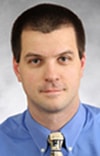
Dr. Dwight R. Stoll
Associate Professor of Analytical Chemistry
Co-chair of the Chemistry Department
Gustavus Adolphus College
Saint Peter, Minnesota
Awarded in March 2017
Dr. Stoll is widely recognized for his efforts and contributions to analytical chemistry and separation sciences. His active research projects include the development of rapid multidimensional liquid chromatography for targeted and untargeted analysis in complex matrices and optimization of isocratic and gradient elution HPLC. He has pioneered the development of 2D-HPLC and its applications in BioPharma.
Dr. Stoll has received numerous awards and recognitions including the John B. Phillips Award for contributions to multidimensional gas chromatography, the LCGC's Emerging Leader in Chromatography Award. In 2014 he was named to The Analytical Scientist's list of ‘Top 40 Under 40' analytical scientists and received the American Chemical Society Division of Analytical Chemistry Award for Young Investigators in Separation Science in 2015. In 2016 he received the Palmer Award from the Minnesota Chromatography Forum and the Gustavus Faculty Scholarly Achievement. Earlier this year he received the Eastern Analytical Symposium Young Investigator Award. (press release)

Dr. Shane A. Snyder
Professor - Chemical and Environmental Engineering
Co-Director of the Arizona Laboratory for Emerging Contaminants (ALEC) and the Water & Energy Sustainable Technology (WEST) Center
University of Arizona
Tucson, AZ
Awarded in October 2016
Dr. Snyder is widely recognized for his efforts and contributions to the analysis and management of water pollutants. His research focuses on the development and application of methodologies to identify and quantify known and unknown environmental contaminants using a wide-array of state of the art analytical instrumentation. Likewise, his work includes use of in vitro bioassays to analyze toxicological effects of water contaminants. Additionally, Dr. Snyder's engineering research focuses on the development of water treatment technologies that minimize energy consumption and maximize water quality.
Dr. Snyder is Co-Editor in Chief of the international journal Chemosphere and was selected as fellow of the International Water Association in 2016 for his work combating water challenges worldwide. (press release)
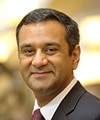
Dr. Rohit Bhargava
Founder Professor of Engineering and Chemistry | Director, Cancer Center at Illinois
Depts. of Bioengineering, Electrical & Computer Sciences, Mechanical Science & Engineering, Chemical & Biomolecular Engineering and Chemistry
University of Illinois at Urbana-Champaign
Urbana, IL
Awarded in October 2016
Dr. Bhargava is widely recognized for his pioneering role on the development of infrared spectroscopic imaging. His work has included the development of novel theory and modeling of infrared imaging and its use for spectral analysis, the development of instrumentation and of computational methods to extract high-fidelity information to enable challenging studies to be conducted. His work has focused on the applications of spectroscopic imaging to biomedical sciences, especially on cancer biology and clinical applications by research case studies. Instruments developed in his laboratory have been used to provide new means to characterize and define cancer using chemical imaging. (press release)
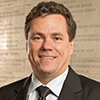
Dr. Scott W. Lowe
Chair, Cancer Biology & Genetics Program, Sloan Kettering Institute
Chair, Geoffrey Beene Cancer Research Center
Memorial Sloan Kettering Cancer Center
New York, NY
Awarded in August 2016
Dr. Lowe studies have contributed to the understanding of several important tumor suppressor genes, including p53, APC and PTEN. Likewise, he has built numerous genetic screens and animal models that have played important roles in the identification and characterization of new drug targets, as well as in identifying vulnerabilities of cancer cells that might be susceptible to new therapies. Some of these screens and animal models have made extensive use of shRNAi libraries. More recently, Dr. Lowe has adopted the CRISPR/Cas 9 to further exploit the benefits of this technology to advance our understanding and management of cancer. (press release)
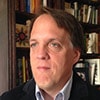
Dr. Peter Robinson
Professor of Computational Biology
The Jackson Laboratory for Genomic Medicine
Farmington, CT
Awarded in February 2016
Dr. Robinson is well known for the development of the Human Phenotype Ontology, a standardized vocabulary of phenotypic abnormalities encountered in human disease, and he has created methods to identify a number of novel disease genes. Dr. Robinson studied mathematics and computer science at Columbia University and medicine at the University of Pennsylvania. He completed training as a pediatrician at the Free University of Berlin and Charité University Hospital. (press release)
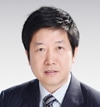
Dr. Shilin Chen
Director, Institute of Chinese Materia Medica,
China Academy of Chinese Medical Sciences
Beijing, China
Awarded in February 2016
Dr. Chen is the Director of the Institute of Chinese Materia Medica at the China Academy of Chinese Medical Sciences in Beijing. His work on the field of medicinal chemistry of natural products, associated with the determination of the active ingredient of traditional Chinese medicines and the identification of their mechanism of action, is well recognized. This includes but is not limited to the family of antimalarial drugs such as artemisinin. Likewise, Dr. Chen has pioneered the use of genomic approaches, such as NGS sequencing and DNA barcoding for identification of medicinal plant species. (press release)
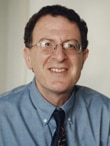
Dr. Jeffrey I. Gordon
The Dr. Robert J. Glaser Distinguished University Professor and
Director of the Center for Genome Sciences & Systems Biology
Washington University School of Medicine
St. Louis, MO
Awarded in October 2015
Dr. Gordon is recognized internationally as a pioneer and leader of the Microbiome research field. His efforts, including the influential 2005 NHGRI white-paper entitled "Extending Our View of Self: the Human Gut Microbiome Initiative (HGMI)" lead to the creation of the NIH "Human Microbiome Project Roadmap for Medical Research" funding initiative in 2007. Dr. Gordon's research is focused on understanding the mutualistic interactions that occur between humans and the trillions of commensal microbes that colonize each person's gastrointestinal tract. His research employs germ-free mice as model hosts as well as metagenomics, metabolomics, microbiology, biochemistry and nutritional sciences to study the composition of the human gut microbiome and their roles and consequences for human health and development. Of particular interest to him and his group are areas related to malnutrition, obesity as well as to neuro and immune modulation and development. (press release)
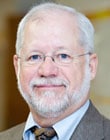
Dr. Lawrence J. Lesko
Department of Pharmaceutics
College of Pharmacy
University of Florida,
Orlando, Florida
Awarded in March 2015
Dr. Lesko directs the Center for Pharmacometrics and Systems Pharmacology at University of Florida's College of Pharmacy in Lake Nona. Before joining UF, Dr. Lesko worked nearly 20 years in the FDA's Center for Drug Evaluation and Research as the Director of the Office of Clinical Pharmacology. He was also Chair of the Clinical Pharmacology Coordinating Subcommittee of the FDA's Medical Policy Coordinating Committee and authored or co-authored numerous Guidance for Industry, and started the FDA's Voluntary Genomics Data Submission Program and Mechanistic Drug Safety Program. (press release)
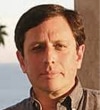
Dr. Arturo A. Keller
Department of Environmental Biogeochemistry
Bren School
University of California, Santa Barbara
Santa Barbara, CA
Awarded March 2015
Dr. Arturo Keller directs the Center for the Environmental Implications of Nanotechnology at UCSB. He has earned international recognition for his research into the uptake, accumulation and biotransformation of nanoparticles in natural waters and soil. A particular interest of his research is focused on the analysis of nanoparticles for its safe and sustainable introduction by the agro industry. (press release)
Dr. Jules Griffin
Department of Biochemistry
University of Cambridge
United Kingdom
Awarded: September 2014
Dr. Jules Griffin is an Honorary Professor at Imperial College London, a Fellow of King's College and Senior Lecturer in the Department of Biochemistry at the University of Cambridge. He also heads the MRC Lipid Profiling and Signalling program. His work focusses on the use of high resolution mass spectrometry to measure lipids in biofluids and tissue extracts in order to better understand the causes and consequences of type 2 diabetes and obesity (collectively referred to sometimes as the Metabolic Syndrome) and developing computer software tools for storing and processing the large quantity of data produced by these experiments. (press release)
Dr. Carlos Cordon-Cardo
The Irene Heinz Given and John LaPorte Given Professor
and Chair of Pathology for the Mount Sinai Health System
Dept. of Pathology
The Mount Sinai Hospital
New York, NY
Awarded: August 2014
Dr. Cordon-Cardo is a distinguished clinician and researcher recognized internationally for his groundbreaking research in experimental pathology and molecular oncology. His research has focused on the analyses of multidrug resistance, alteration of tumor suppression genes in human cancer and on the isolation and characterization of human cancer stem cells. He has also contributed to the development and implementation of the oncology molecular pathology discipline and helped create the "systems pathology platform. (press release)
Dr. Carolyn Mountford
Centre for MR in Health
School of Health Sciences
Faculty of Health and Medicine
University of Newcastle
Australia
Awarded: April 2013
Dr. Mountford is a professor of radiology at The University of Newcastle Australia School of Health Sciences, and Harvard Medical School. She is the director of Newcastle's Magnetic Resonance Centre for Clinical Research and director of the Center for Clinical Spectroscopy at the Brigham and Women's Hospital in Boston. Dr. Mountford is known for her innovative work using nuclear magnetic resonance (NMR) spectroscopy technology in cancer research. (press release)
Dr. John A. McLean
Stevenson Professor
Department of Chemistry
Vanderbilt University
Nashville, TN
Awarded: March 2014
In Vanderbilt's Department of Chemistry, Prof. McLean and colleagues focus on the conceptualization, design, and construction of structural mass spectrometers, specifically targeting complex samples in systems, synthetic, and chemical biology as well as nanotechnology. His group applies these strategies to forefront translational research areas in drug discovery, personalized medicine, and 'human-on-chip' synthetic biology platforms. (press release)

Dr. Joshua D. Rabinowitz
Professor of Chemistry and Integrative Genomics
Princeton University
Princeton, NJ
Awarded: October 2013
Dr. Rabinowitz has made seminal conceptual and methodological contributions to the metabolomics field. These include the development of isotopic labeling, sample preparation, data analysis, and information visualization techniques for liquid chromatography/mass spectrometry data. (press release)

Dr. Paul B. Watkins
Professor of Medicine, Toxicology, and Experimental Therapeutics
Director, Institute for Drug Safety Sciences
The Hamner Institutes for Health Sciences
Research Triangle Park, NC
Awarded: October 2013
Paul B. Watkins, M.D., is the Professor of Medicine, Professor of Toxicology, and Professor of Experimental Therapeutics at The University of North Carolina at Chapel Hill (UNC), and serves as Director of the Institute for Drug Safety Sciences. As an internationally recognized expert in drug safety, Dr. Watkins has extensive research experience in drug-induced liver injury (DILI), which includes basic investigation in drug metabolism and transport, clinical studies, causation assessment, and regulatory affairs. (press release)
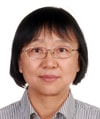
Dr. Junying Yuan
Director of the Interdisciplinary Research Center on Biology
Chinese Academy of Science
Shanghai, China
Awarded: November 2013
Dr. Junying Yuan is a pioneer and leading researcher in the field of cell death. The Agilent Thought Leader award will support metabolomics and integrated biology efforts for the identification of neurodegenerative diseases biomarkers at the Chinese Academy of Science's newly established Interdisciplinary Research Center on Biology and Chemistry. (press release)
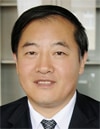
Dr. Guibin Jiang
Director of State Key Laboratory of Environmental Chemistry and Ecotoxicology
Chinese Academy of Sciences
Haidian District,
Beijing, China
Awarded: October 2013
Dr. Jiang's research is mainly focused on analytical chemistry and environmental chemistry. His methodical and comprehensive research has resulted in significant achievements on analytical development and environmental characterization of persistent organic pollutants (POPs), and the speciation of organometallic compounds, which have contributed to the improvement and internationalization of these scientific fields in China. (press release)
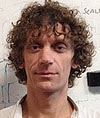
Dr. Emmanuel Barillot
Director of Bioinformatics and Systems IT
Institut Curie
Paris, France
Awarded: August 2013
Dr. Barillot's area of work is in the development of a database of cellular signaling pathways and a visualization tool to help the pharmaceutical industry develop more effective cancer treatments. (press release)
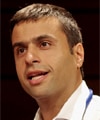
Dr. Hashim Al-Hashimi
J. Lawrence Oncley Collegiate Professor of Chemistry and Biophysics
Dept. of Chemistry and Biophysics
University of Michigan
Ann Arbor, MI
Awarded: March 2013
Dr. Hashim Al-Hashimi is an influential researcher in the realm of structural biology. Dr. Al-Hashimi and his team at the University of Michigan are developing advanced methods to characterize Hoogsteen base pairs — a rare form of DNA that is structurally distinct from the typical double helix — using nuclear magnetic resonance spectroscopy. Hoogsteen base pairs, named after biochemist Karst Hoogsteen, are of particular interest because of their unusual structure and biological functions. Dr. Al-Hashimi and his team believe their research could lead to significant advances in DNA-targeted drug discovery and other applications. (press release)

Dr. Ronald DePinho
President, MD Anderson Cancer Center
University of Texas
Houston, TX
Awarded: December 2012
Dr. Ronald A. DePinho, a world-renowned oncologist and researcher, has received an Agilent Thought Leader Award in support of his research into metabolic reprogramming in the earliest stages of cancer. He is internationally recognized for basic and translational research in cancer, aging and age-associated degenerative disorders. He is only the fourth full-time president in the 70-year history of MD Anderson. (press release)
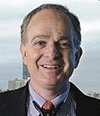
Dr. Robert Gerszten
Director of Clinical and Translational Research
Institute for Heart, Vascular and Stroke Care
Massachusetts General Hospital
Boston, MA
Awarded: November 2012
Dr. Robert E. Gerszten received an Agilent Thought Leader award in support of his research on the discovery of metabolite biomarkers for cardiovascular and related metabolic diseases. Dr Gerszten has pioneered the use of proteomics and metabolomics approaches to identify biomarkers of these diseases using the Framingham heart study cohort. (press release)

Dr. Jens Frisvad
Professor,
Department of Systems Biology
Center for Microbial Biotechnology
Technical University of Denmark
Lyngby, Denmark
Awarded: May 2012
Prof. Frisvad's research is primarily in the area of fungi. His work focuses on the biochemical diversity in molds with a view to finding new enzymes and secondary metabolites which can be used in new drugs. In addition, he works on projects involving the study of mycotoxins and molds from Penicillium and Aspergillus, in an effort to prevent toxin-formation in food, indoor climates, and biotechnological products. (press release)
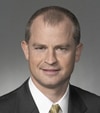
Dr. Russell Thomas
Senior Investigator
Director, Institute for Chemical Safety Sciences
Director, Center for Genomic Biology and Bioinformatics
Hamner Institutes for Health Sciences
Awarded: December 2011
Russell S. Thomas, Ph.D., of the Hamner Institutes for Health Sciences has been selected for an Agilent Thought Leader Award to support his work developing methods to predict drug-induced liver injury. The award includes funding from the Agilent Technologies Foundation as well as instrumentation from the company, including a 6460 triple quadrupole LC/MS and an Agilent microarray scanner. Dr. Thomas is director of the Institute for Chemical Safety Sciences at the Hamner, where researchers are applying a systems biology approach in an effort to predict drug-induced liver injury. (press release)
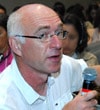
Dr. Chris Evelo
Department Head, Bioinformatics BiGCaT
Maastricht University
Maastricht, Netherlands
Awarded: November 2011
Dr. Chris Evelo at the department of bioinformatics at Maastricht University is the recipient of an Agilent Thought Leader Award supporting development of software to integrate different types of biological data. The goal of this award is to help accelerate breakthroughs in disease research by facilitating integrative systems biology approaches. The Evelo Lab helped develop WikiPathways.org as a community-curated platform for structuring multi-omics data and the associated open-access pathway analysis tool PathVisio. (press release)
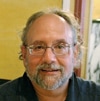
Dr. Steven Carr
Senior Scientific Leader, Protein Biochemistry and Proteomics
Broad Institute
Cambridge, MA
Awarded: October 2011
Dr. Steven Carr of the Broad Institute (affiliated with the Massachusetts Institute of Technology and Harvard University) has been selected for an Agilent Thought Leader Award. The award will support Carrs efforts to develop new technologies for analyzing proteins and peptides, intended to help doctors diagnose illnesses such as cardiovascular disease, breast cancer and ovarian cancer. (press release)
Dr. Gerhard Wagner
Department of Biological Chemistry and Molecular Pharmacology
Harvard Medical School
Boston, MA
Awarded: August 2011
Dr. Gerhard Wagner of the Department of Biological Chemistry and Molecular Pharmacology at Harvard Medical School received an Agilent Thought Leader award in support of his effort to develop methods for studying biologically relevant systems that pose a serious challenge for modern structural biology tools. Prof. Wagner's work will greatly enhance the impact of NMR spectroscopy for large protein assignment and structure determination by matching the capabilities of modern high-field instruments with suitable acquisition and processing methods. (press release)

Dr. Adam Arkin
Director, Synthetic Biology Institute
Dean A. Richard Newton Memorial Professor,
Department of Bioengineering
University of California, Berkeley
Director, Physical Biosciences Division, Lawrence Berkeley National Lab
Awarded: April 2011
Adam Arkin, director of SBI and of the Physical Biosciences Division at LBNL, is the Dean A. Richard Newton Memorial Professor in UC Berkeleys Department of Bioengineering. He is also co-director of the Virtual Institute of Microbial Stress and Survival, director of bioinformatics at the Joint Bioenergy Institute, and co-director of BIOFAB (International Open Facility Advancing Biotechnology). His research centers on uncovering the evolutionary design principles of cellular networks and populations and exploiting them for applications. He and colleagues are developing a framework to facilitate applications in health, the environment, and bioenergy by combining comparative functional genomics, quantitative measurement of cellular dynamics, biophysical modeling of cellular networks, and cellular circuit design. (press release)

Dr. Bart Weimer
Professor, Population Health & Reproduction
School of Veterinary Medicine
University of California, Davis
Awarded: January 2011
Dr. Weimer's laboratory group at the School of Veterinary Medicine focuses on microbial physiology and function. Research on host/microbe interactions has led to the elucidation of the competitive binding of beneficial bacteria to the gut epithelium and the resulting displacement of pathogenic bacteria such as salmonella. Using genomics and functional genomics gene expression, metabolomics, proteomics, and metagenomics Dr. Weimer's program examines the mechanisms of gene interplay to produce a specific phenotype and the metabolism involved in the process.
Dr. David Botstein
Lewis-Sigler Institute for Integrative Genomics
Princeton University
Awarded: November 2010
Dr. David Botstein, professor and director of the Lewis-Sigler Institute for Integrative Genomics and the Center for Quantitative Biology at Princeton University, received an Agilent Thought Leader award in support of his research in the area of genomics. This award of cash funding and Agilent products to the Lewis-Sigler Institute for Integrative Genomics will allow Dr. Botstein to produce the most complete genomic, proteomic and metabolomic data sets from any eukaryote (organism with cells containing membrane-enclosed structures including nucleus) to date. (press release)

Dr. Hailu Kinde
UC Davis School of Veterinary Medicine California Animal Health and Food Safety Laboratory
Awarded: October 2010
Dr. Hailu Kinde, professor at the California Animal Health and Food Safety Laboratory System, received an Agilent Thought Leader award in support of his research in the area of food safety. This award of cash funding and Agilent products to the UC Davis School of Veterinary Medicine will allow Dr. Kinde to focus on the development of a new process that can reduce the time required to identify food-borne pathogens from several days to only a few hours. (press release)
Dr. Thomas Hartung
Director for the Center for Alternatives to Animal Testing (CAAT)
Bloomberg School of Public Health
Johns Hopkins University
Awarded: August 2010
Dr. Thomas Hartung received an Agilent Thought Leader award in support of his research on for the use of toxicity pathways to predict developmental neurotoxicity. Through this award of funding from the Agilent Foundation and a company donation of instruments to the Center for Alternatives to Animal Testing (CAAT) at the Johns Hopkins Bloomberg School of Public Health, Dr. Hartung will focus his research on the identification of novel toxicity pathways by combining two promising cell culture models with emerging metabolomics. This work could help identify possible contributions of chemicals to disorders such as autism and attention hyperactivity disorders. (press release)

Dr. James Collins
Professor of Biomedical Engineering
Wyss Institute for Biologically Inspired Engineering
Awarded: July 2010
Dr. James Collins is developing innovative ways to reprogram organisms, particularly bacteria, to perform desired tasks, such as attacking tumors and guiding development of stem cells. These programmed bacteria could lead to cheaper drugs, greener fuels, and more effective treatments for antibiotic-resistant infections and diseases. He is a pioneer in systems biology, stochastic resonance, biological dynamics, and neurostimulation, with the goal of improving the function of physiological and biological systems. (press release)
Dr. George Church
Professor of Genetics
Harvard Medical School
Director of the Center for Computational Genetics
Wyss Institute for Biologically Inspired Engineering
Boston, MA
Awarded: July 2010
Dr. George Church is Professor of Genetics at Harvard Medical School and Director of NIH-CEGS and DOE-GTL Genomics Centers. He has pioneered technology innovations early in the development of key fields in chemistry and biomedicine with 10 US Patents granted and several pending. As part of technology transfer to the commercial sector he has served on 22 scientific advisory boards. In 1976, his crystallographic software lead to the first high-resolution folded-RNA structure (a decade before similar structures important for ribozymes, aptamers, and RNAi). (press release)
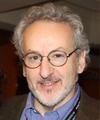
Dr. Don Ingber
Wyss Institute Founding Director
and Core Faculty Member
Platform Leader, Biomimetic Microsystems
Awarded: July 2010
Dr. Ingber is Founding Director of the Wyss Institute and a leader in the emerging field of biologically inspired engineering. He oversees a multifaceted effort to identify the mechanisms that living organisms use to self assemble and to apply these design principles to develop advanced materials and devices. Dr. Ingber was the first researcher to recognize that tensegrity architecture (in which a system stabilizes itself mechanically by balancing local compression with continuous tension) is a fundamental principle in the way living organisms are structured at the nanometer scale. (press release)
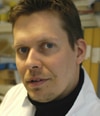
Dr. Janne Lehtio
Karolinska Institute
Department of Oncology-Pathology
Science for Life Laboratory
Awarded: June 2010
Dr. Janne Lehtio has worked on clinical proteomics both in academia and biotech industry. In 2004, Dr. Lehtio was selected to build mass spectrometry based proteomics at Karolinska University Hospital and continues his proteomics research there. Today, Dr. Lehtio leads a mass-spectrometry-based proteomics group at Karolinska Institutet focusing on quantitative proteomics methods development and cancer proteomics. In recent year his lab has developed several methods for clinical proteomics and currently uses these methods to understand proteome changes related to cancer therapy.
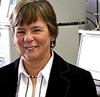
Dr. Pauline Rudd
Professor of Glycobiology
University College Dublin
National Institute for Bioprocessing Research and Training (NIBRT)
Awarded: May 2010
Dr. Pauline Rudd received an Agilent Thought Leader award in March 2010 in support of emerging glycomics research through a grant of funding and instruments to the National Institute for Bioprocessing Research and Training (NIBRT) at the University College Dublin in Ireland. The goal of the research is to develop novel approaches to analyze protein glycosylation as part of the characterization process of recombinant protein drugs and to study disease glycan biomarkers using liquid chromatography mass spectrometry. (press release)