Refine Results
- Products
- Applications and Industries
- Services
- Content Type
- Unit Quantity
- Research Area
- Analysis Platform
- Journal
- About Agilent
- Language
- Publication Date

381 - 400 of 1395 results


Agilent BioTek BioSpa 8 Automated Incubator technical details
Agilent BioTek 405 TS Washer technical details
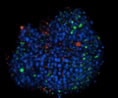
The Cytation C10 confocal imaging reader represents a first-of-its-kind instrument, combining automated confocal and widefield microscopy with conventional multimode microplate reading.

With immune-based therapies emerging as a pillar for treating certain cancers, cell analysis is becoming a foundational science of the future.

The native extracellular matrix (ECM) is a dynamic scaffold that maintains homeostasis through a complex milieu of biochemical and biomechanical interactions.

AOP (Anti Oxidant Power) is proud to introduce the LUCS technology; a simple, efficient, cost effective and powerful new protocol/kit to address the analysis of multiplexed in cell anti- oxidant and cell cytotoxicity assays.

In this webinar, we will discuss some of the common pitfalls that scientists encounter when setting up their live cell imaging assays and how to overcome them.

Fixed samples for fluorescence microscopy applications can take many shapes and forms, including cultured cells in microplates, multicellular spheroids, tissue on slides, and whole organisms.
Fixed samples for fluorescence microscopy applications can take many shapes and forms, including cultured cells in microplates, multicellular spheroids, tissue on slides, and whole organisms.
This white paper describes the biology behind some of the reactive molecules and the means for their detection.

Explore common cell migration assays including wound healing, transwell migration, and three-dimensional invasion. This webinar will provide automated solutions for these procedures to increase workflow and improve quantitative parameters.
In this webinar, we discuss automated methods for conducting and analyzing the colony formation assay using both the colorimetric and fluorescent properties of crystal violet, the wellestablished dye for this assay.

Ask the Experts – Histology Workflow from Tissue Prep, Sectioning, and Staining to Imaging.

Ask the Experts – Capturing the Host-Pathogen Interaction: Technical Tips for Infectious Disease and Immunology. BioTek’s FASTeam talks about best practices, troubleshooting, assay design, and experimental optimization.

Cellular behavior is complex and dynamic. While end-point assays provide a single snapshot of this behavior, it is only when live cells are continually monitored that a more complete understanding of this behavior is realized.

Biomolecular and cellular quantification using a BioTek multimode microplate reader

Biomolecular and cellular quantification using a BioTek multimode microplate reader

In this webinar we will demonstrate a fully automated cell migration assay using the AutoScratch Wound Making Tool, which provides a convenient and reproducible method for quantifying 2D cellular migration in either 24- or 96-well formats.
We cover the advantages and limitations of the various culture models, assay formats, and imaging approaches.

Ask the Experts - Automation of Microplate-Based Assays - Tips for Increasing Throughput Utilizing Automated Washing and Dispensing