Microbial fermentation for complex small molecules and metabolites
Agilent Advanced Therapeutics provides end-to-end microbial fermentation for small molecules, metabolites, and intermediates that support pharmaceuticals, bioconjugation, and specialty chemical applications.
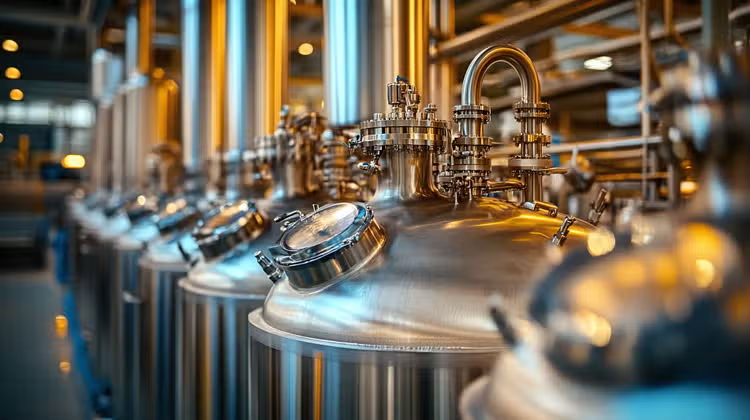
With facilities in Charlottetown, PEI, Canada—including multiple fermentation suites up to 15,000 L—our teams support programs from early development through commercial manufacturing. Integrated chemistry, analytical capabilities, and downstream purification allow us to efficiently scale complex routes with consistency and regulatory confidence.
Large-scale fermentation capacity—Fermenters up to 15,000 L for reliable commercial supply.
Integrated chemistry and fermentation workflows—Process chemistry, route development, and fermentation under one organization.
Advanced downstream purification—Centrifugation, extraction, crystallization, and large-format chromatography (80 cm columns).
Microbial strain and process optimization—High-yield, robust fermentation processes to improve cost and efficiency.
Seamless scale-up—Fermentation development, pilot-scale, and commercial production across harmonized facilities.
Regulatory-ready production—GMP-aligned systems with proven commercial track record and global regulatory experience.
Fermented Small Molecules
Microbial fermentation of small molecules supported by in-house chemistry, purification, and expertise
Find helpful answers to common questions as you evaluate and advance your program
What types of small molecules can be produced by microbial fermentation?
We produce a range of fermented small molecules including metabolites, toxins, complex intermediates, and specialty compounds that benefit from biological production pathways.
What fermentation scales are available for small-molecule production?
We offer development-scale fermentation from 30–1,000 L and commercial-scale production up to 15,000 L.
Can Agilent Advanced Therapeutics support both fermentation and synthetic steps?
Yes. Our integrated model allows fermentation and synthetic chemistry teams to collaborate closely, supporting hybrid routes and efficient downstream processing.
How do you ensure consistency from batch to batch?
We use PAT monitoring, controlled feeding strategies, validated analytical methods, and harmonized process parameters across development and manufacturing suites.
Do you manufacture controlled substances?
Yes. Our Charlottetown site is licensed for controlled substances and maintains strict alignment with regulatory requirements.
Can fermentation be used to scale complex intermediates for ADC or biologics manufacturing?
Absolutely. Fermentation often provides higher yields and better impurity profiles for intermediates used in conjugation, linker synthesis, or bioreagents for the manufacture of diagnostic test kits.
style
id
faqs
Browse the latest news on Advanced Therapeutics manufacturing
BIOVECTRA Is Honored with 2025 CDMO Leadership Award
BIOVECTRA, a part of Agilent Technologies Inc., proudly announces it is the recipient of the 2025 Outsourced Pharma CDMO Leadership Award in the category of biologics. The award recognizes BIOVECTRA’s performance in key areas such as quality, reliability, and technical capability.
3/6/2025
Agilent Completes Acquisition of BIOVECTRA
Agilent Technologies announced the company has completed its acquisition of BIOVECTRA, a Canada-based contract development and manufacturing organization (CDMO) that specializes in biologics, highly potent active pharmaceutical ingredients, and other molecules for targeted therapeutics.
9/20/2024
Agilent Investing $725 Million to Expand Nucleic Acid-Based Therapeutics Manufacturing
Agilent Technologies is investing approximately $725 million to double manufacturing capacity of therapeutic nucleic acids in response to rapid growth of the $1 billion market and strong demand for the company’s high-quality active pharmaceutical ingredients (APIs).
1/10/2023
id
news
Innovative sustainability in water, waste, and energy
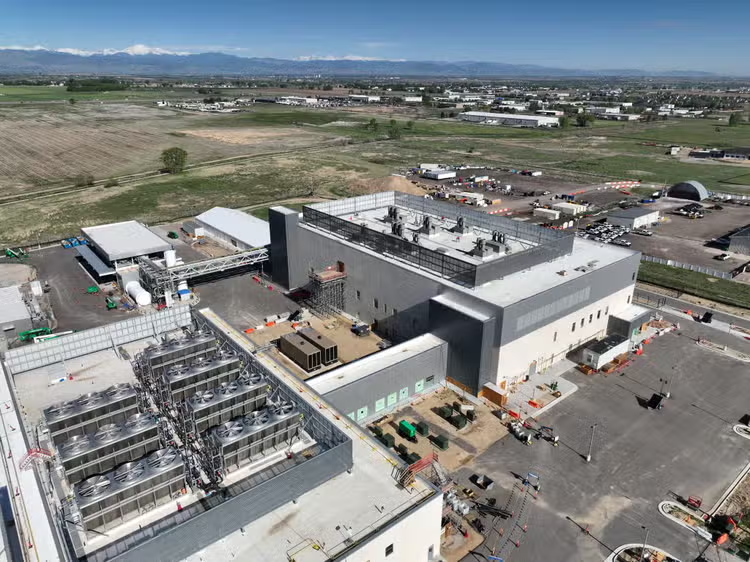
The Frederick facility integrates sustainable practices, like closed-cell cooling towers and reverse osmosis systems that save over 16 million gallons of water annually. A solar photovoltaic array generates 500 MWh of clean energy to offset utility demand. Waste reduction initiatives include acetonitrile recovery and destruction of dilute organics.
id
sustainability
Explore more ways to connect with us
Have questions or need a quote? Our manufacturing experts are here to help.
Get support from experienced specialists dedicated to your program’s success.
Upcoming events
See where the Agilent Advanced Therapeutics team will be next. Explore our upcoming conferences, tradeshows, and speaking engagements, and connect with us in person.